

Sant’Angelo Romano a small village on Mount Patulo, a hill in the Cornicolani Mountains, hosts the Orsini Cesi Castle and the Riserva Naturale Macchia di Gattaceca e Macchia del Barco, a forest of approximately 1,000 hectares in the Tiber Valley.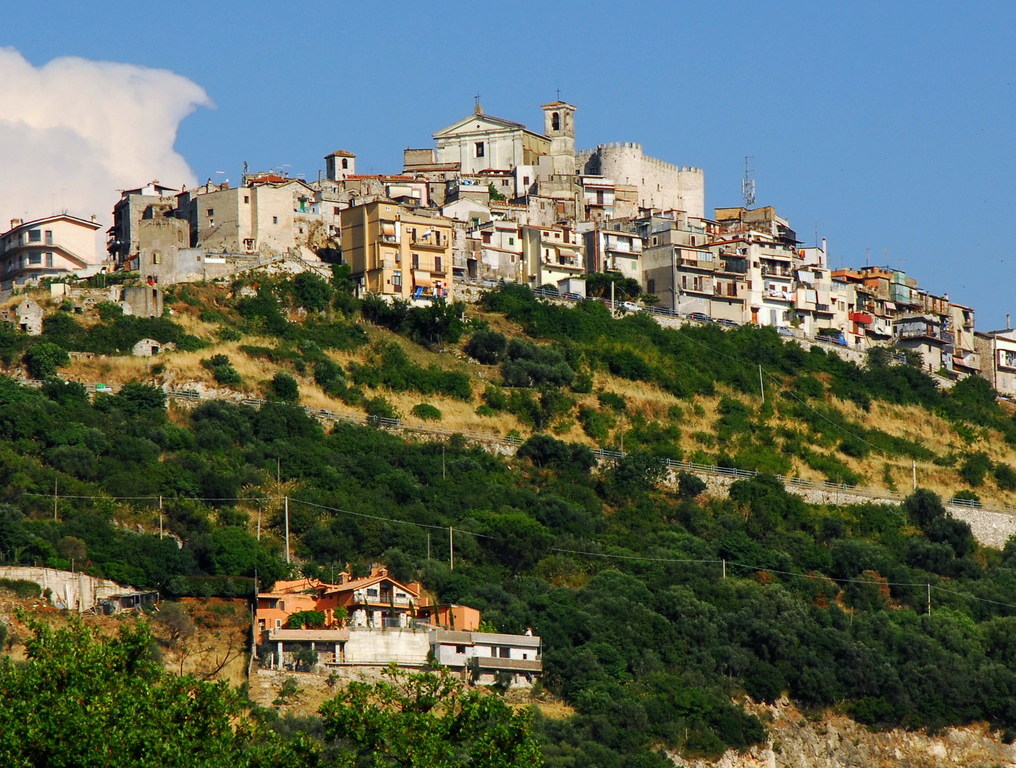 The Orsini Cesi Castle was built in the year 1000 as a fortress surrounded by walls. In 1100, it became the ancient Medullia, as the Romans called the fiefdom, and then passed to the Capocci Family, who named it Sant’Angelo in Capocccia, changed into the current Sant’Angelo Romano at the end of the nineteenth century.
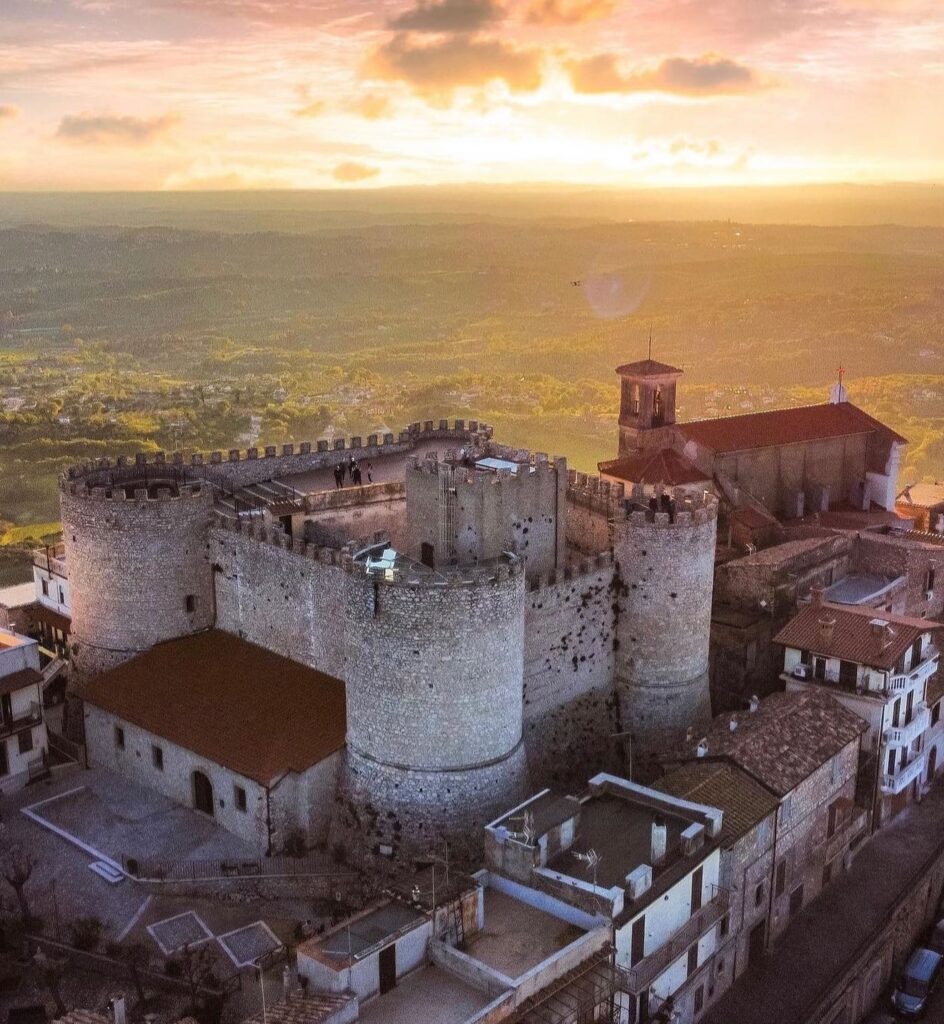
The Orsini Cesi Castle – Facebook @castellocesi
Later, the Orsini Family transformed the fortress into a fortified castle and added the noble palace. During the Renaissance, at the end of the sixteenth century, the fiefdom passed to the Cesi Family.
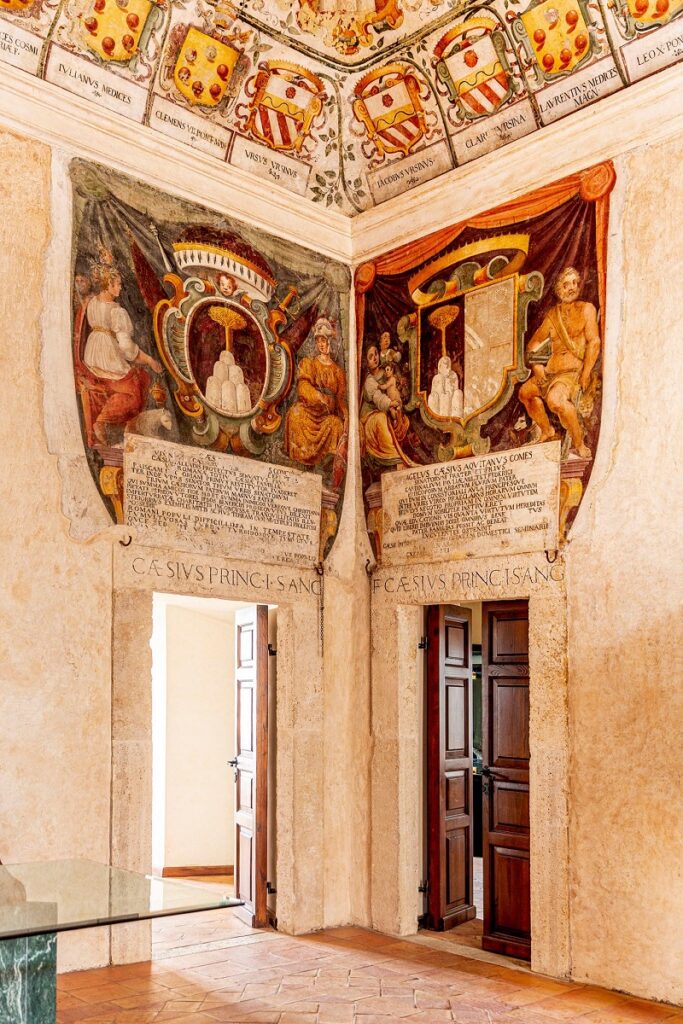
The Orsini Castle – Cesi, interior – Facebook @sangeloromano rev
The castle reached its highest splendour under Federico Cesi, the scientist and naturalist who founded the Accademia dei Lincei in Rome in 1600. Prince Federico II Cesi transformed the main floor into an apartment, adding a double-flight entrance staircase.

The Orsini Castle – Cesi, interior – Facebook @sangeloromano
He had his name and noble title engraved on the architraves of the doors and windows, and, in the main hall, the tree of the Cesi Family and the one of his second wife, Isabella Salviati. The walls were decorated with ancestral symbols and Latin epigraphs.
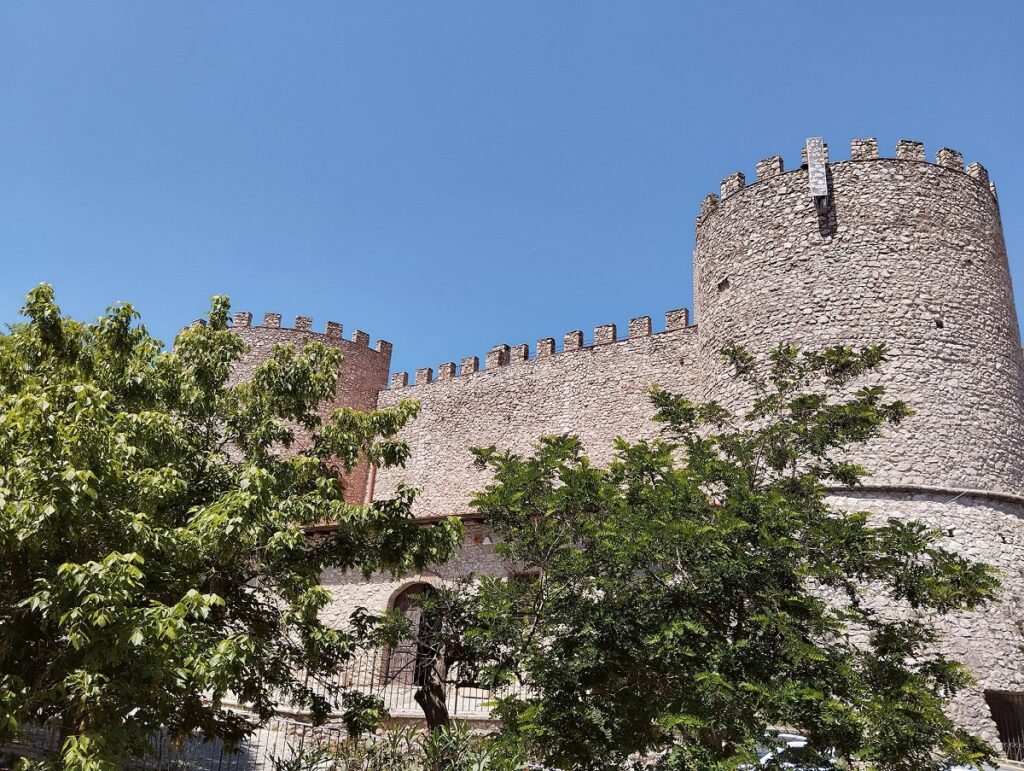
The Orsini Cesi Castle – Facebook @castellocesi rev
At the end of the seventeenth century, the Orsini Cesi Castle was sold to the Borghese Family and suffered a long decline, becoming a grain warehouse in the nineteenth century. Restored in 1990, it is today one of the Historic Residences of Lazio and houses the Museo Preistorico del Territorio Tiberino-Cornicolano.
The Museo Preistorico del Territorio Tiberino-Cornicolano is dedicated to the fossil and archaeological evidence of the area relating to the human and animal presence during the Middle Pleistocene glacial period. The exhibition mainly consists of numerous ceramic and stone artifacts, discovered in the second half of the nineteenth century. But the highlight of the museum is the room of the Grotta dello Sventatoio di Poggio Cesi, a cave used for religious purposes during the Bronze Age. The museum is open to the public from Thursday to Sunday.
The Bosco di Grotte Cerqueta, or Bosco di Nardi, is a protected natural area in Sant’Angelo Romano, included in the Riserva Naturale Macchia di Gattaceca e Macchia del Barco. This karst area hosts, among oak trees, a series of sinkholes (fossi) and caves.
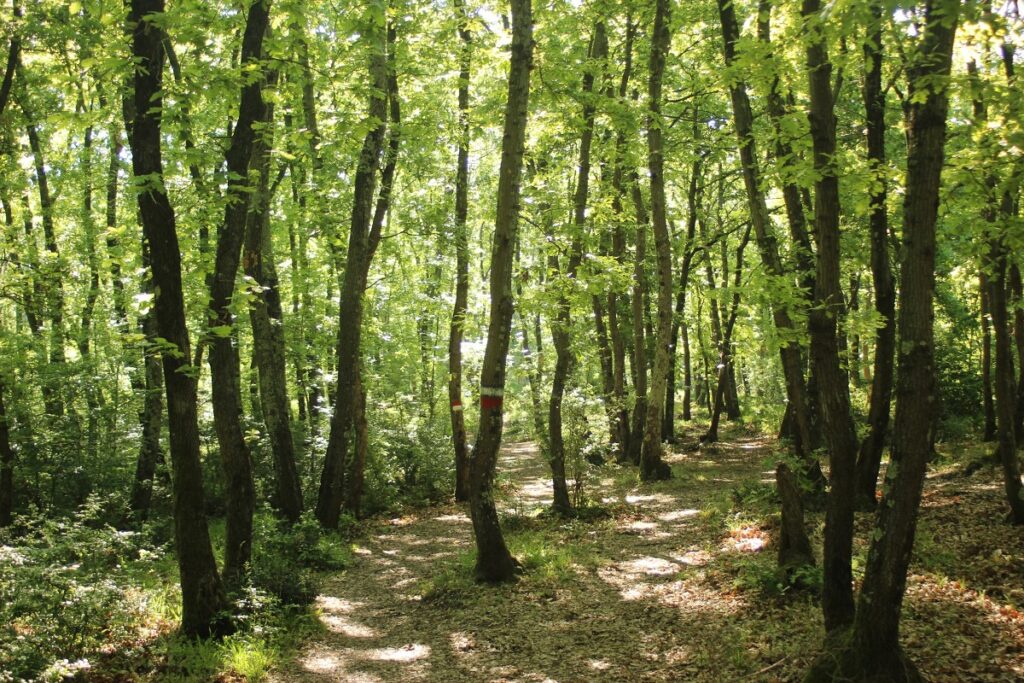
The Riserva Naturale Macchia di Gattaceca e Macchia del Barco.– parchilazio.it
The Riserva Naturale Macchia di Gattaceca e Macchia del Barco is a forest of approximately 1,000 hectares between the Tiber Valley and the Cornicolani Mountains, which covers the territories of Mentana, Monterotondo, and Sant’Angelo Romano. The mosaic-like hilly landscape includes some grazing and cultivation areas.
The most famous karst formations are the Pozzo del Merro, one of the deepest in the world, the Buca di San Francesco, and the Bosco Nardi-Grotta Cerqueta sinkholes. Also noteworthy in Sant’Angelo Romano are several historical and archaeological sites dating from prehistory to the Middle Ages, such as the Roman cisterns from the second century AD and the archaeological area of the Via Nomentum-Eretum. Among the gastronomic specialities, the pizza varata stands out. The dish, made with flour, water, eggs, and anise, is consumed during the Easter breakfast. A symbol of the cutivation change, the pizza is called varata, the dialect word for “ploughed”, due to the furrows made with the fingers that resemble those of a plough, along with the holes of the fork that represent the seeds.

The International Folklore Festival in Sant’Angelo Romano – Facebook @sangeloromano
Among the most popular festivals not to be missed is the International Folklore Festival, celebrated in July with music, local food, and parades in traditional costume hosting participants from all around the world.