

Colle di Tora, a village of Roman origins, was called until the late nineteenth century Collepiccolo and stretched across a hill on the banks of the Tora River. The hydroelectric reservoir, created in the 1930s, gave rise to the Turano and Salto Lakes. Thus, Colle di Tora was transformed into a delightful village facing the waters.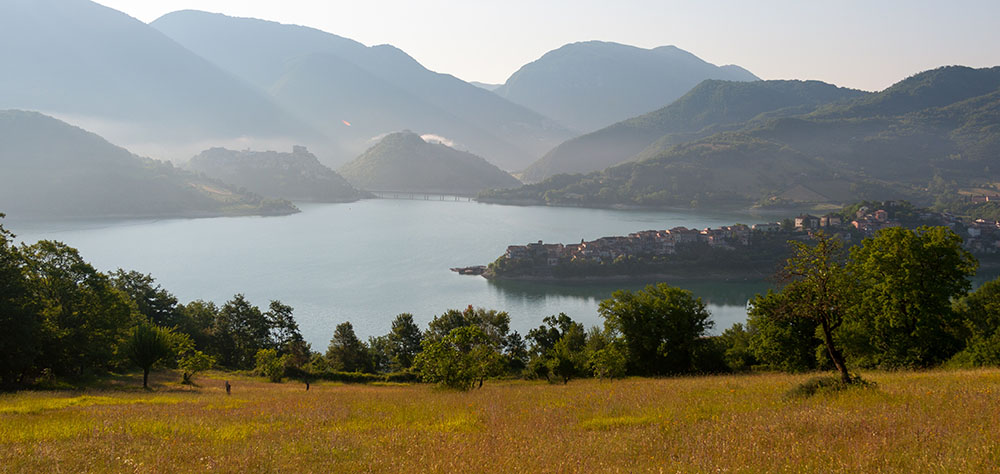
The historic centre hosts numerous interesting monuments, such as the Castle and the Church of San Lorenzo, from where to enjoy a magnificent panoramic view, the Church of Santa Anatolia, and the remains of a Roman tomb dedicated to Caracalla. The woods and mountains harmoniously surrounding the village immerse it in a fairytale atmosphere in winter and in a dynamic one in the warmer seasons. The area of Castel di Tora is a paradise for lovers of hiking, diving, and fishing all year-round. Of particular interest is the Sentiero Italia trail, which crosses the Navegna and Cervia Mountains Nature Reserve, where golden eagles and sparrowhawks nest in the picturesque setting of woods, gorges, and streams.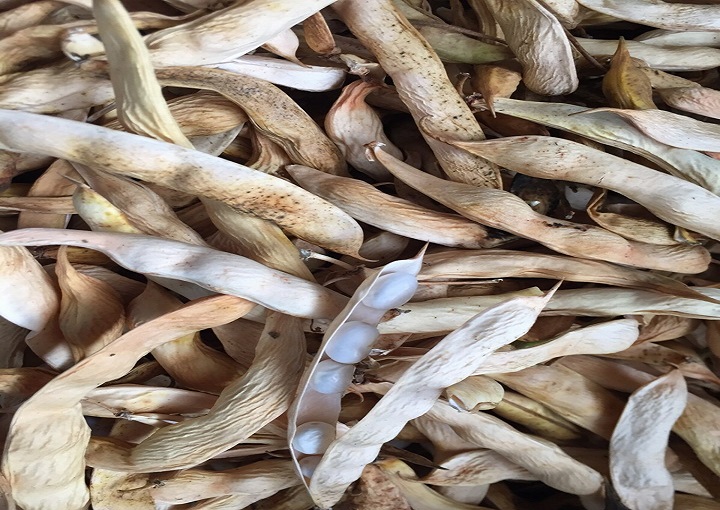
A typical product, cultivated only in this area, is the PAT (Protected Designation of Origin) pea bean. This white, round, delicate and thin peel pulse is the basis of the excellent pasta and beans. Other local delicacies are truffles, chestnuts, fava beans, sausages, and polenta, as well as recipes like the pizzullu coll’erbe, a wheat flour grilled flatbread accompanied with wild chicory, potato gnocchi with mutton and pecorino sauce, mutton arrosticini, and grilled meat or lake fish, especially the tasty rosciola.