

Pignataro Interamna in Ciociaria arose at the confluence of the Liri and the Spalla Bassa Rivers in Roman times, and became the Latin colony of Interamna Lirenas in 312 BC. Not to be missed is a visit to the national monument , the Church of the Madonna dei Sette Dolori.
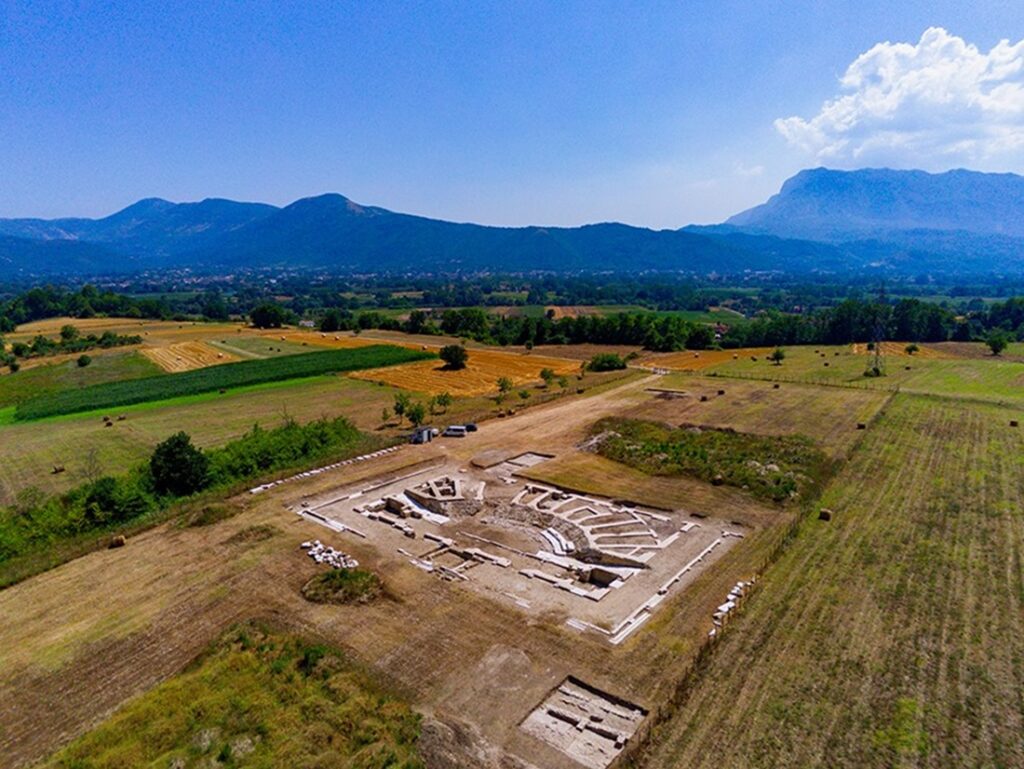
Interamna Lirenas – Facebook @sabap.lazio
Important crossroads between the Via Latina and the Liri River, the site is now the subject of important archaeological excavations promoted by the Archaeological Superintendency of Lazio and Southern Etruria, in collaboration with the University of Cambridge.
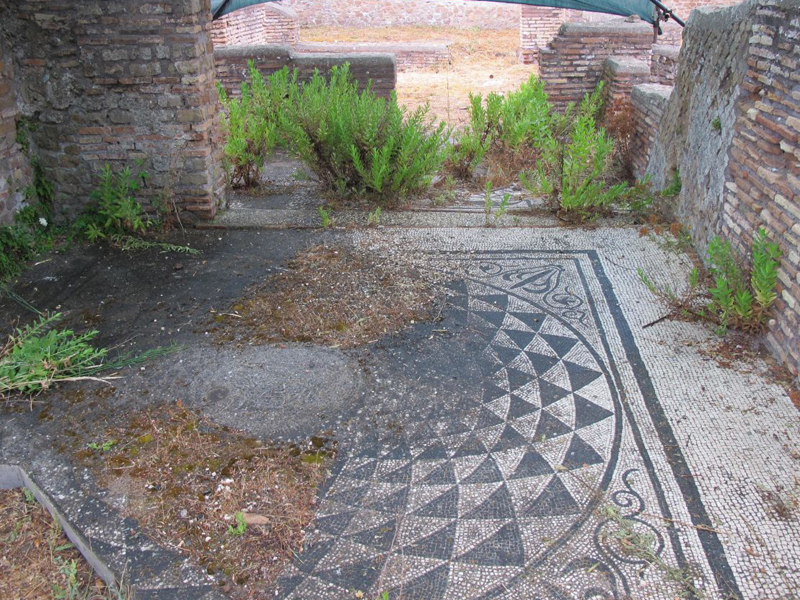
The pavement at the Interamna Lirenas site
The baths, the stone pavement of the Forum, and the necropolis are still clearly visible and, among the most recent discoveries, a rare example of covered theatre from the second half of the first century BC stands out. It boasts a cavea accommodating up to 1,500 spectators.
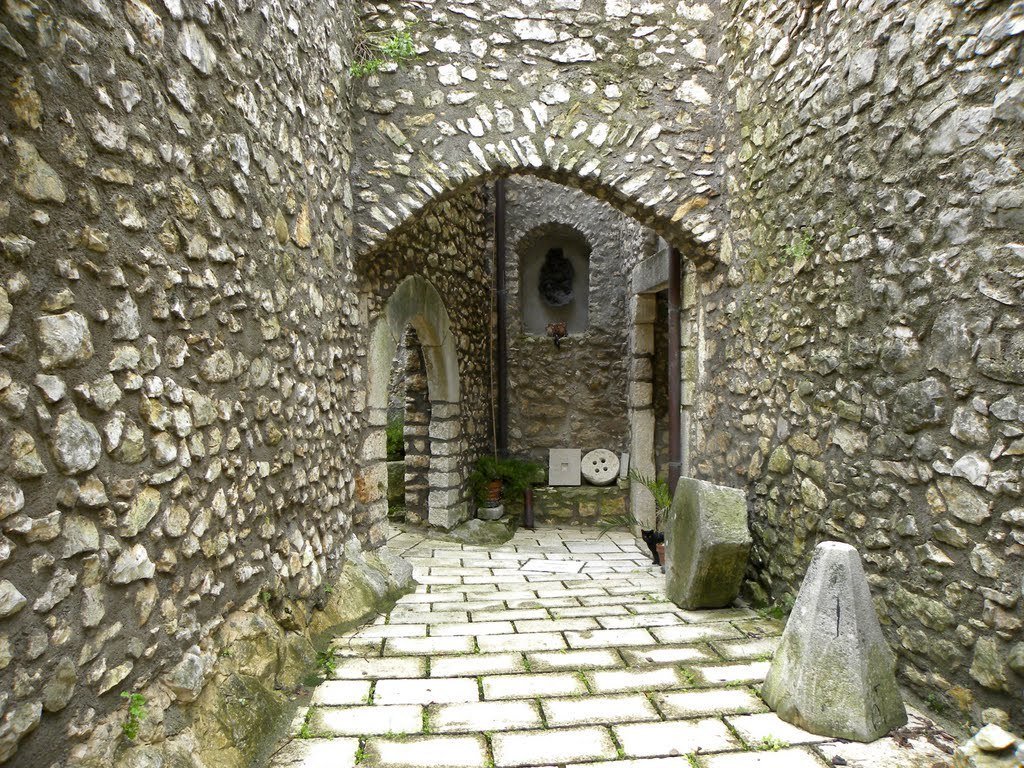
The village of Pignataro Interamna
The 1915 earthquake and the Second World War razed the village to the ground but the historic centre was partially rebuilt within the remains of the city walls and still retains some traces of the ancient houses. The Church of the Madonna dei Sette Dolori was built on the ruins of the Church of Santa Maria de lu Burgu.
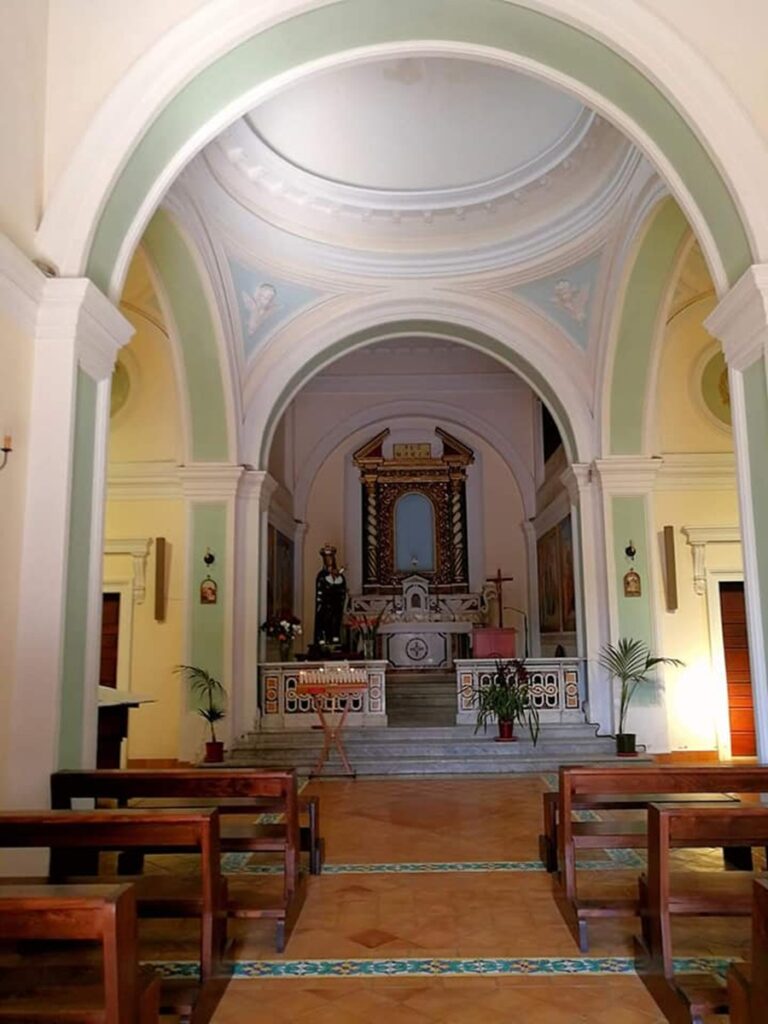
The Chapel of the SevenSorrows – Facebook
@comunedipignatarointeramna
Its walls were once decorated with frescoes from the seventeenth century, depicting the Seven Sorrows of the Virgin Mary. Today, only three of them are still visible.
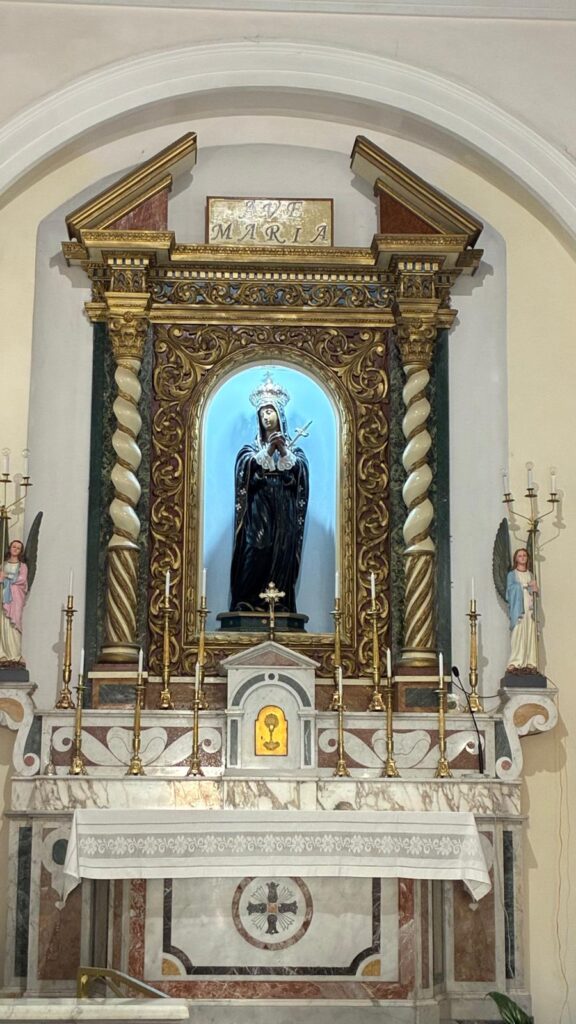
The Chapel of the Seven Sorrows, statue of the Madonna dei sette dolori- Facebook @comunedipignatarointeramna
The chapel houses a statue of the Madonna dei sette dolori, which, according to tradition, was carved from pear wood by a Neapolitan artist in the 1400s. The church is adorned with frescoes from the fourteenth century and a Lombard cross dating back to before the year 1000, hanging on the door of the old burial ground. The Ponte del Diavolo over the Rio Spalla Bassa was erected using large dry square blocks placed without lime, the same technique used for the square tower of Aquino from the second century BC.