

Monte Porzio Catone, the “City of Wine”, known for the Gregorian Calendar, and its unique orchids, lies on a wooded slope in the Tusculo area, nestled within the Castelli Romani Natural Park. The village boasts gorgeous Tusculan Villas and a renowned astronomical observatory.
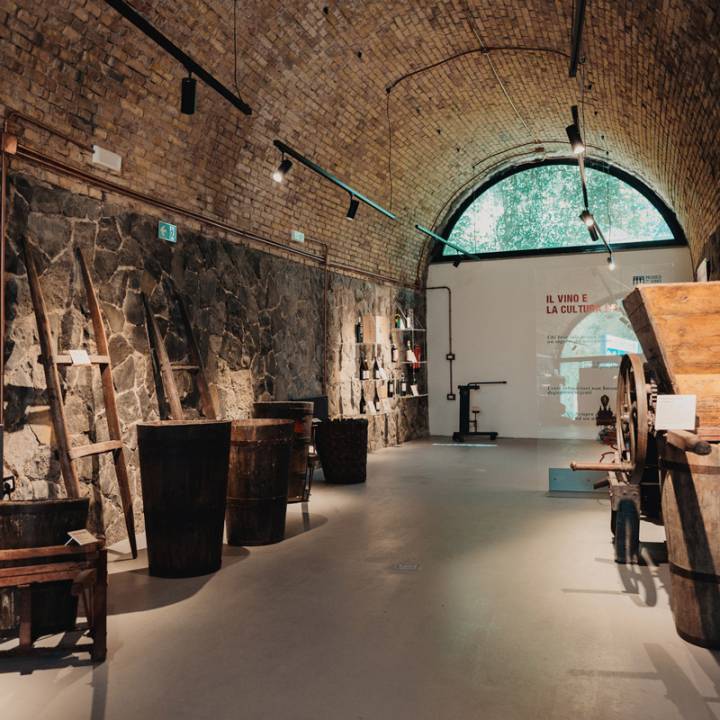
The Wine Museum – www.museodelvinompc.it
The historic centre hosts, inside the restored old railway station, a noteworthy Wine Museum. It narrates the ancient traditions of winemaking and grape cultivation by displaying ancient tools. Inside the museum, visitors will also find an information point and a wine shop, as well as a space dedicated to workshops.
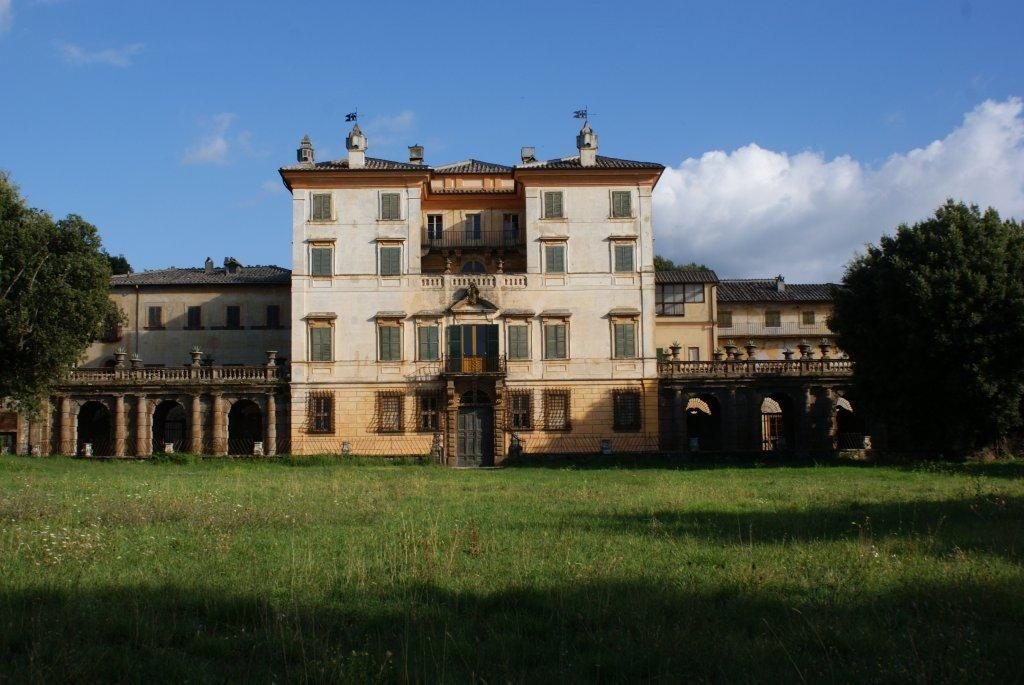
Villa Parisi – www.retedimorestorichelazio.it
Monte Porzio Catone preserves several impressive mansions, such as Villa Taverna Borghese, today’s Villa Parisi. It was built in the early 17th century, to serve as a summer residence for Cardinal Ferdinando Taverna and then passed to Cardinal Scipione Borghese and his descendants. Villa Taverna Borghese is one of the twelve Tusculan Villas built on the slopes of the Alban Hills between the late 16th and early 17th centuries. Villa Parisi, along with Villa Mondragone, Villa Vecchia (Angelina), the Portale delle Armi, and the Barco Borghese belonged first to the Altemps Family and later to the Borghese.
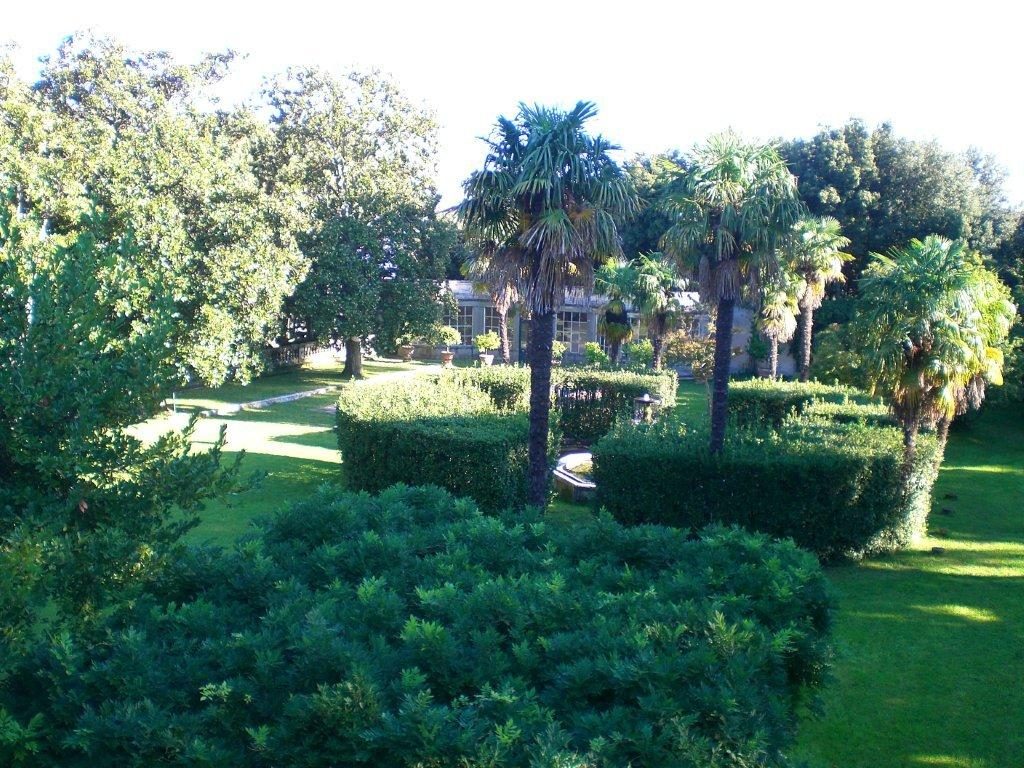
The Hanging Garden of Villa Parisi – www.retedimorestorichelazio.it
The project was entrusted to the architect Girolamo Rainaldi, while the Nymphaeum and the Secret Garden were designed by Giovanni Vasanzio. In the 18th century, Giuseppe and Domenico Valeriani, Ignazio Heldman, Taddeo Kuntze, and Giovan Battista Marchetti enriched the complex with painted decorations. The Villa, listed in the Network of Historic Houses of Lazio, has been owned by the Parisi Family since 1896.
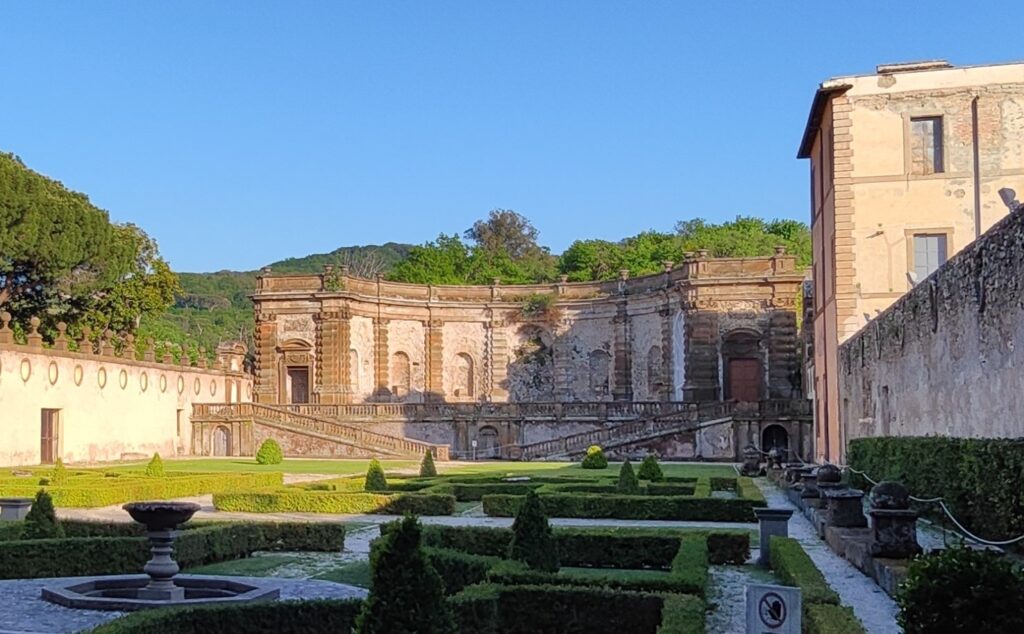
The Italian-style garden at Villa Mondragone – www.retedimorestorichelazio.it
On an elevated area, stands Villa Mondragone (16th – 17th centuries), the biggest of the Tusculan Villas, which covers 80,000 square metres. Its terrace, enhanced by porticoes, gardens, and parks reminiscent of French royal residences, offers a splendid view of the City of Rome. It was here that Pope Gregory XIII promulgated the papal bull, establishing the Gregorian Calendar, which entered into force on October 15, 1582. In 1543, a more accurate calendar was created by the astronomer Nicolaus Copernicus, to replace the Julius Caesar’s one.
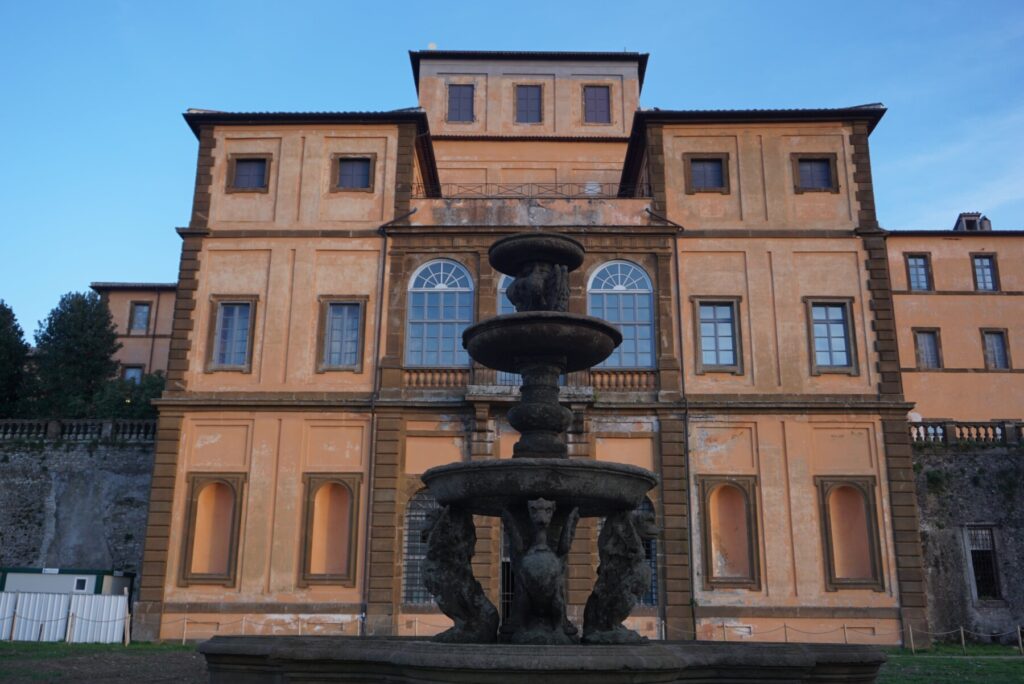
The Fountain of the Dragons at Villa Mondragone – www.retedimorestorichelazio.it
The surrounding territory is rich in olive groves, vineyards, and avenues flanked by centuries-old trees, such as Viale dei Lecci and Viale dei Cipressi, while the Terrazzone features at its centre the beautiful Fontana dei Draghi. Since 1981, the Villa has been owned by the University of Rome Tor Vergata.
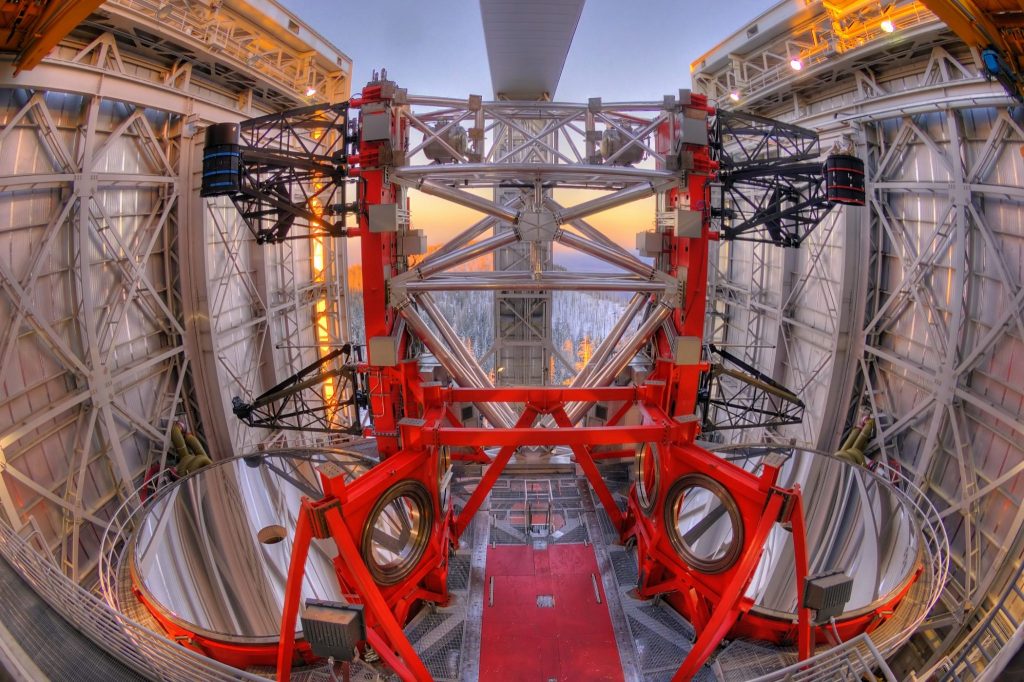
Not to be missed in Monte Porzio Catone is the Astronomical Observatory. Designed in 1939 and completed in 1965, it stands over the remains of the Roman Villa of Matidia, a relative of the Emperor Hadrian. In 1986, it served as the location for the movie “I Ragazzi di via Panisperna”, which narrates the lives of Enrico Fermi and Ettore Majorana. The Observatory, always open to the public, conducts research in the fields of astrophysics and manages the extensive collections of the Astronomical and Copernican Museum of Monte Mario in Rome and the Astronomical Park in Monte Porzio Catone.
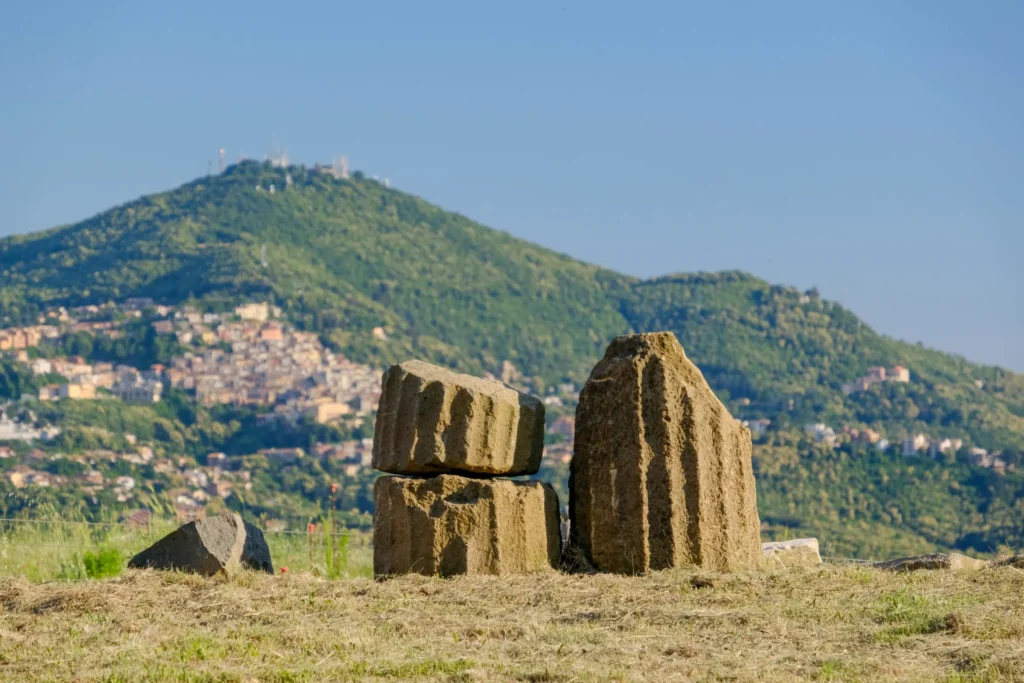
The Tusculum Archaeological Park – www.tuscolo.org
The Tusculum Archaeological Park in Monte Porzio Catone is the cultural heart of the Castelli Romani Regional Natural Park. Here lie the remains of the ancient Tusculum, founded, according to legend, around the 10th century BC by Telegonus, the mythical son of Ulysses and the sorceress Circe. It hosted numerous emperors, senators, and men of letters, like Cicero, who, in his Villa, wrote the “Tusculan Disputationes”. Classical theatrical performances are still held at the Theatre, the landmark of the park.
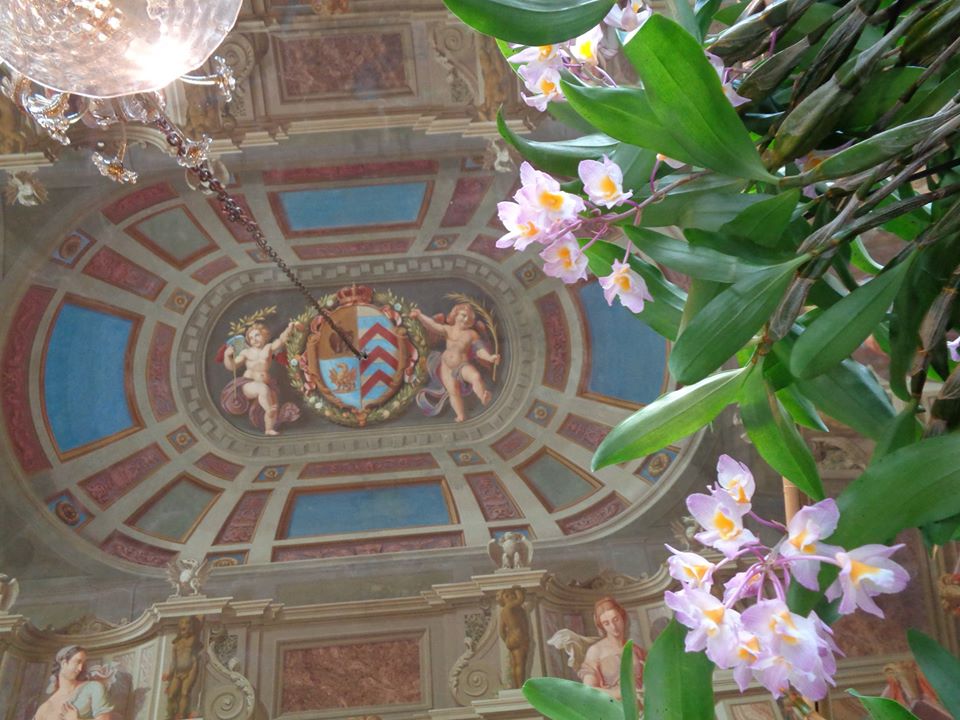
Orchidee dal Mondo – Facebook @orchideedalmondompc
Monte Porzio Catone is also known as the “City of Orchids“. Local and foreign varieties are displayed throughout the town during the “Orchidee dal Mondo” Festival, which has been held in mid-April over the past 30 years. The event is an opportunity to showcase rare and magnificent orchid specimens from all around the world.