

Perched on a tuff cliff above a vast rock necropolis and surrounded by green forests and deep canyons, Blera is an extraordinary village in Tuscia founded around the 8th-7th century BC.
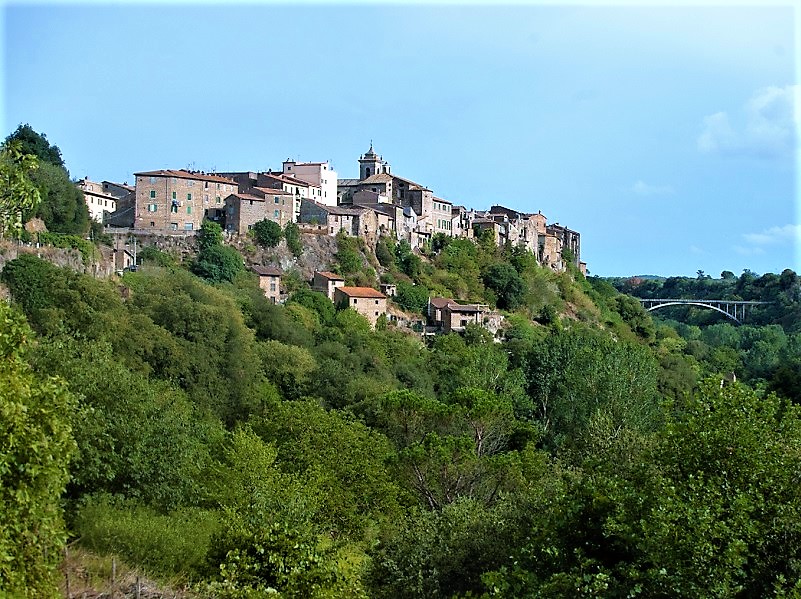
A view of Blera
The ancient Etruscan and then Roman settlement bore the toponym of Bieda. Today’s historic centre extends along a central axis, Via Roma, once accessed through two gates, Porta Romana and Porta Marina, the latter still standing and well preserved.

The Church of Santa Maria Assunta in Cielo and San Vivenzio – Ph @ bleracultura.it
Along Via Roma stand historical artistic buildings, such as Palazzo Lattanzi and the Romanesque Church of Santa Maria Assunta e San Vivenzio. The church houses splendid grottoes, a precious bas-relief under the high altar depicting the Hunt of Adonis, and the crypt with the tomb of Saint Vivenzio, the patron saint, celebrated on December 11.
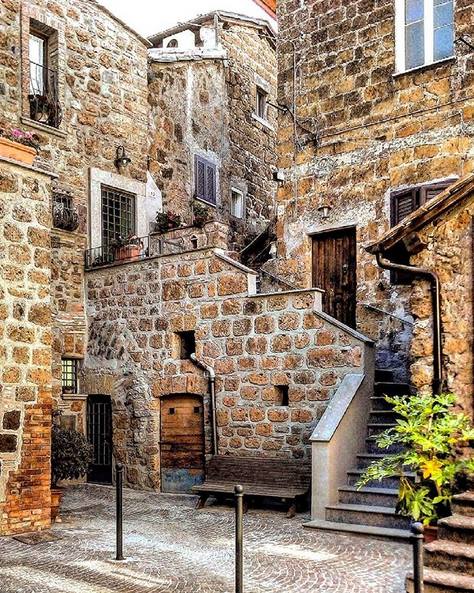
The characteristic alleys of Blera
Unmissable is a pleasant stroll through the intricate narrow alleys, small squares, ancient cellars and red tuff houses with their external staircases, the characteristic profferli. The portals, windows, coats of arms, and completely different architectural elements, witness to several periods of domination.
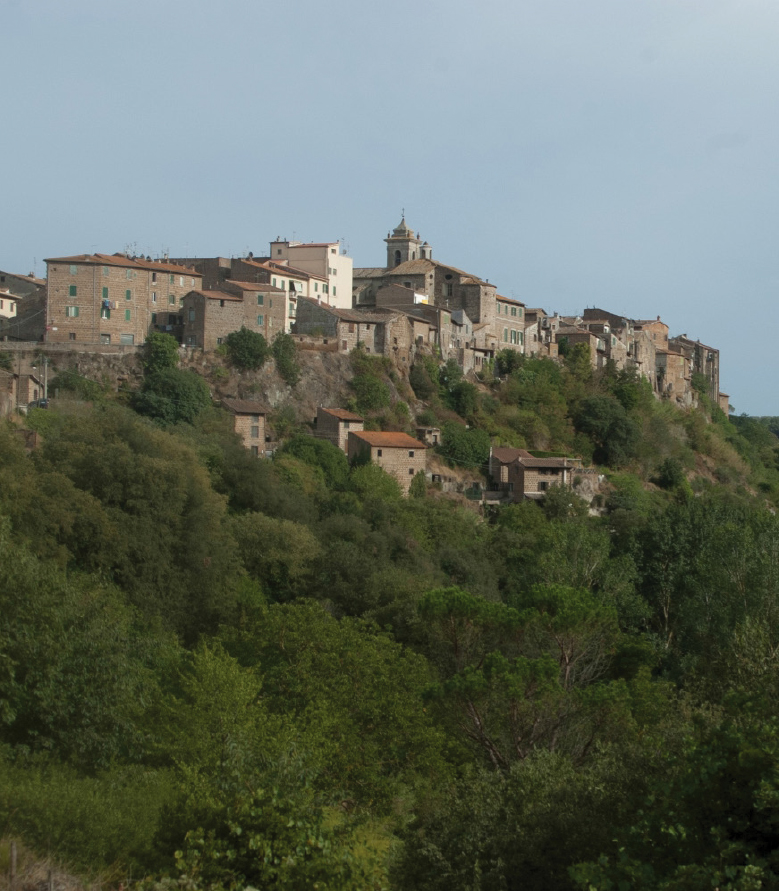
Palazzo Pretoriale – retedimorestorichelazio.it
The sixteenth-century Palazzo Pretoriale, one of the Historic Houses in Lazio, was the seat of the civic magistrates until the early twentieth century. Only visitable from outside, it houses today a cultural heritage deposit and part of the municipal archives.In the centre of Blera, we can admire Palazzo Tornaforte and Palazzo Anguillara, or Palazzaccio, the Church of the Madonna delle Lacrime and the cemetery chapel.
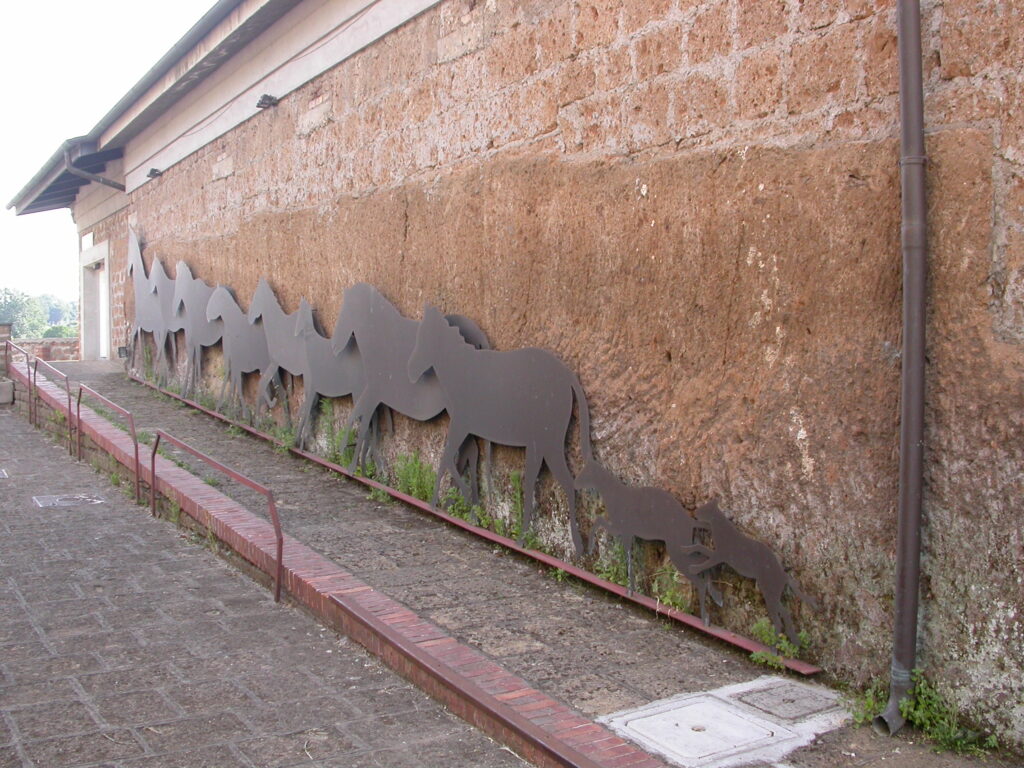
Blera Civic Museum “Gustavo Adolfo VI di Svezia” – thematic section “Il cavallo e l’uomo”
A visit to the “Gustavo Adolfo VI di Svezia Civic Archaeological Museum”, displaying archaeological Etruscan finds brought to life between the 1950s and 1970s, is a must. Six hundred rural artifacts testify to the monarch’s passion for archaeology, and analyse the historical relationship between men and horses in the Maremma Laziale.
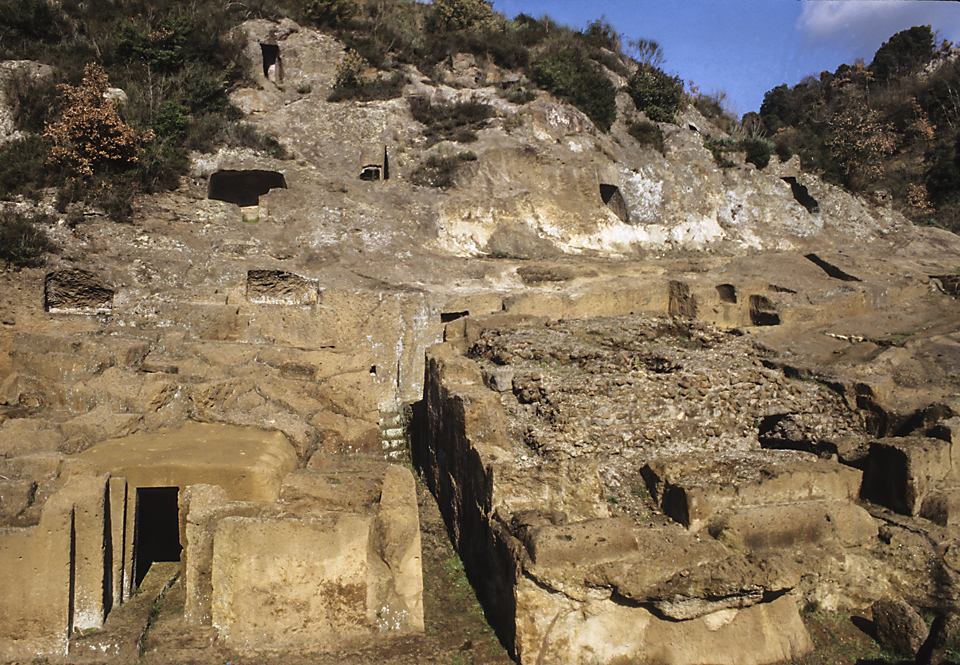
Blera – The Necropolis of Pian del Vescovo Ph@bleracultura.it
Below the village, following a path alongside the Biedano River and then a long passageway preceded by numerous tombs on various levels, we reach the Ponte della Rocca. This impressive Roman bridge was built using the stone of the nearby necropolis. From here, we continue towards the ancient Necropolis of Pian del Vescovo, a village of cube tombs built on the slope of a tuff hill, some reused in Roman times. Among the most important burials, the Tomb of the Sphinx stands out.
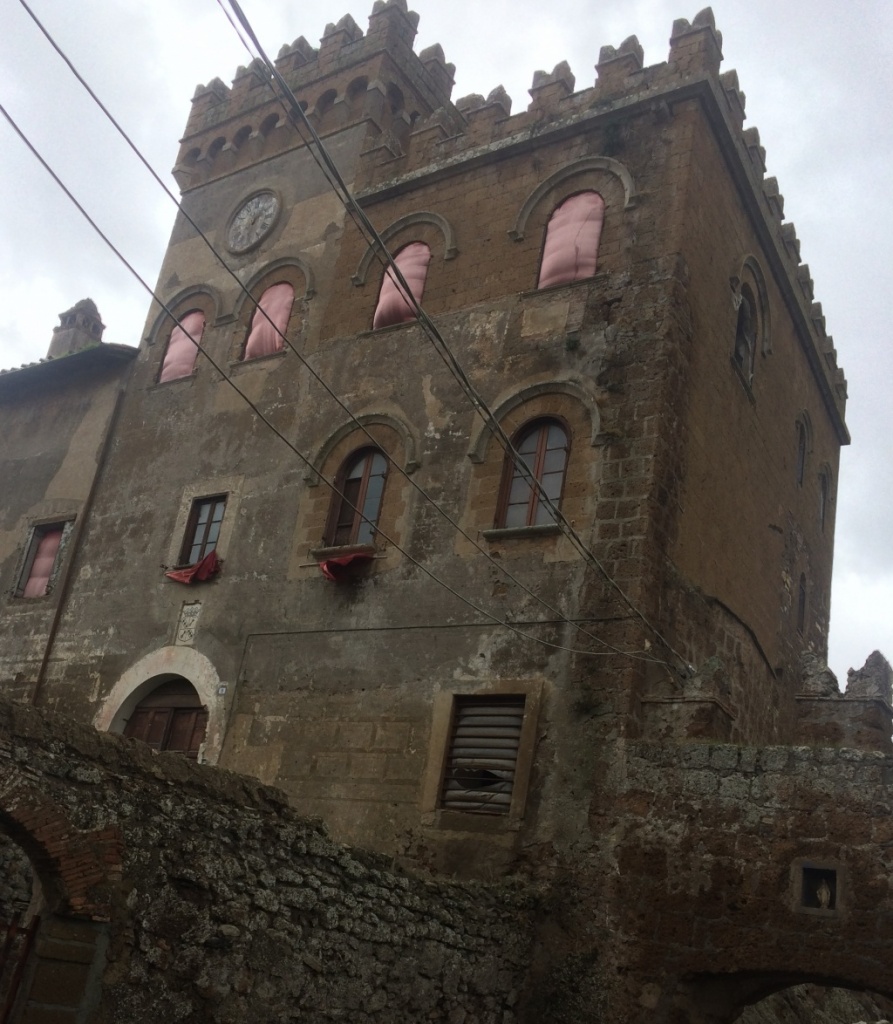
The castle of Civitella Cesi – retedimorestorichelazio.it
In the hamlet of Civitella Cesi, stands the small Torlonia Castle, founded in the first half of the 11th century on the remains of an Etruscan fortification, whose kitchen and halls are still preserved. It is today privately owned and one of the Historic Houses in Lazio.
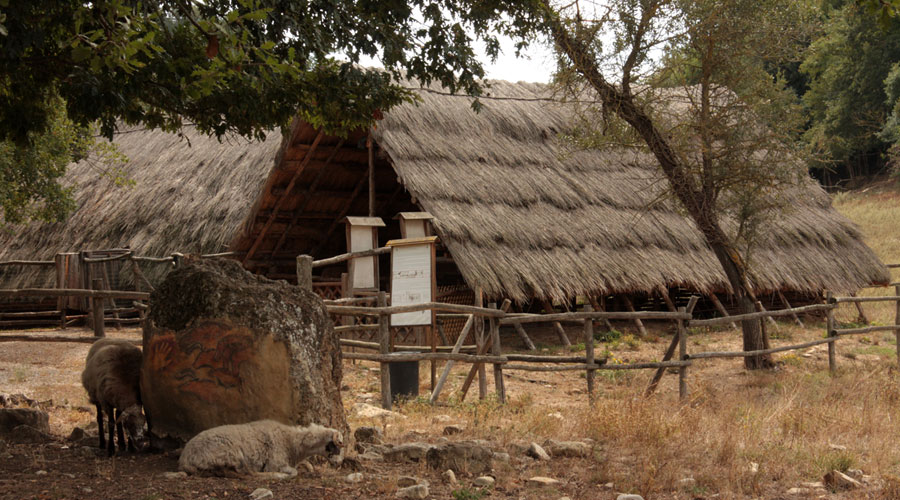
The “Centro di Archeologia Sperimentale” in Civitella Cesi Ph@ antiquates.it
Not far from the village lies the “Centro di Archeologia Antiquates”.
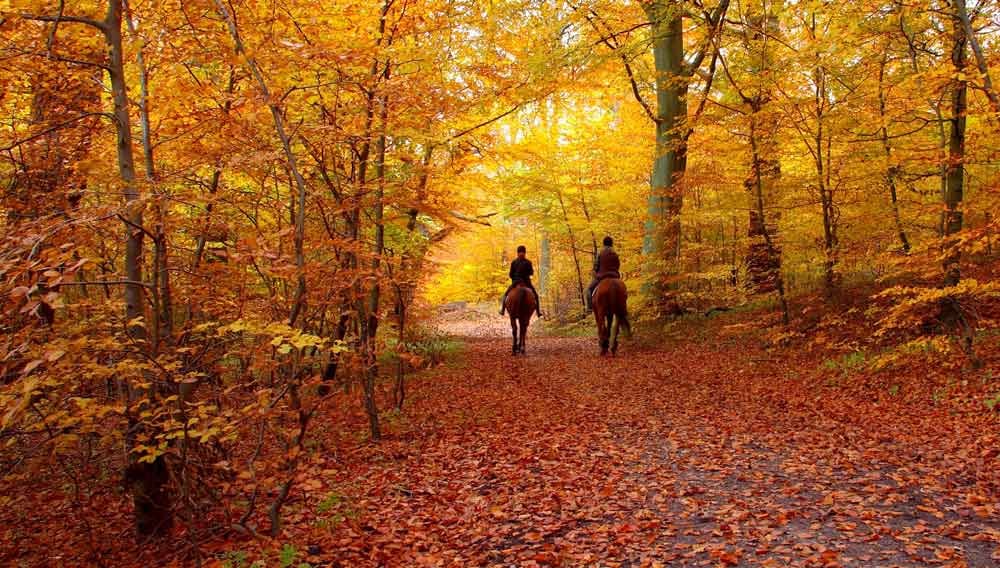
Horseback riding along the ancient Via Clodia
A scientific reproduction of a prehistoric village with workshops and educational services, it represents a true reference point for school tourism. In Addition, along natural tracks around Blera, it is possible to practice sports, such as hiking and horseback riding. On the second Sunday of September, the ancient Feast of the Madonna della Selva is celebrated. The effigy of the Virgin is carried along Via Clodia, the ancient Roman road connecting Blera to Rome and Tuscany, until it reaches a small hermitage standing on a wooden hill. The main local speciality is the Rocciata, a cake based on the Tonda Gentile Romana hazelnut. Worth tasting, during a festival in August, are also the Mutton Gnocchi, the Truffle Fettuccine, and other typical products.