

Monterotondo, the northeast gateway to Rome, is a lively town lying on a hill overlooking the Tiber Valley.
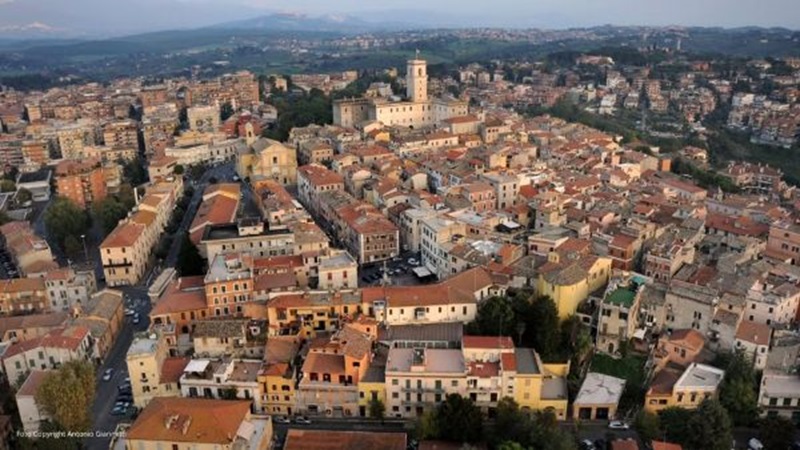
Monterotondo Ph @comune.monterotondo.rm.it
According to historical sources, Monterotondo corresponds to the ancient Eretum, a Sabine village along the Tiber River mentioned in Virgil’s Aeneid and a protagonist in the battles between the Romans and the Sabines during the Monarchic period. In the thirteenth century, Monterotondo was ruled by the Orsini Family, whose members Giacinto Orsini, elected Pope with the name of Niccolò III, and Clarice Orsini, who married Lorenzo il Magnifico in 1400 stand out.
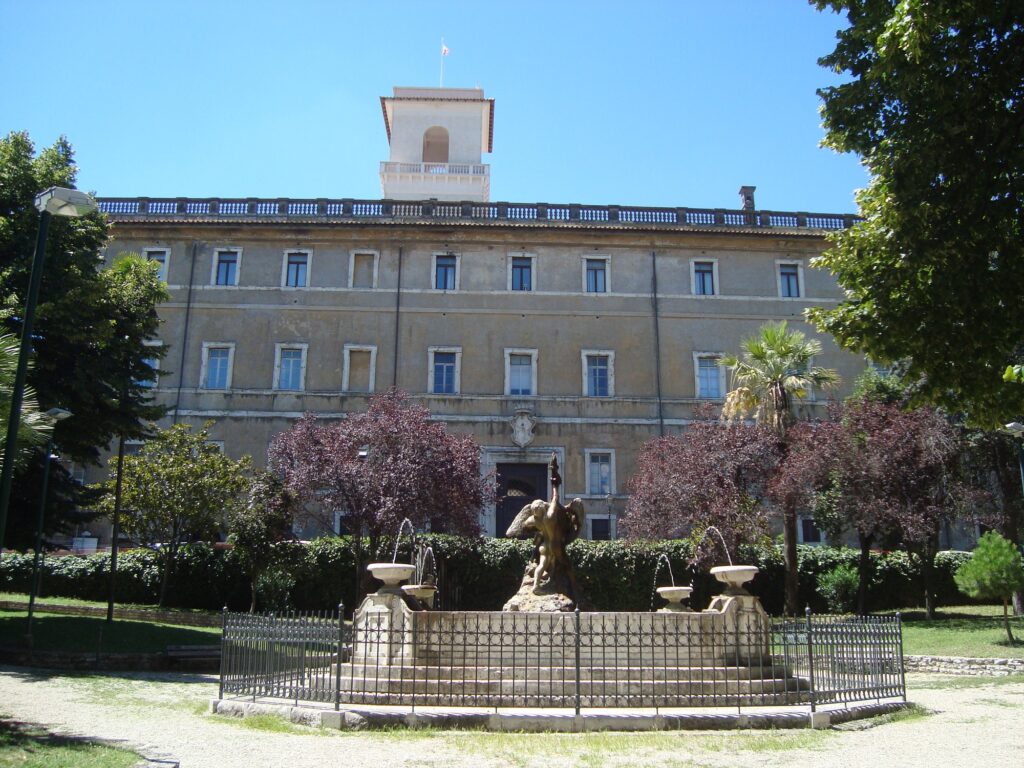
The Orsini Palace in Monterotondo
In the following centuries, the fiefdom passed to other powerful noble families, included the Barberini. Inside, Palazzo Orsini, today’s town hall, preserves elegant rooms frescoed by important late Renaissance artists.
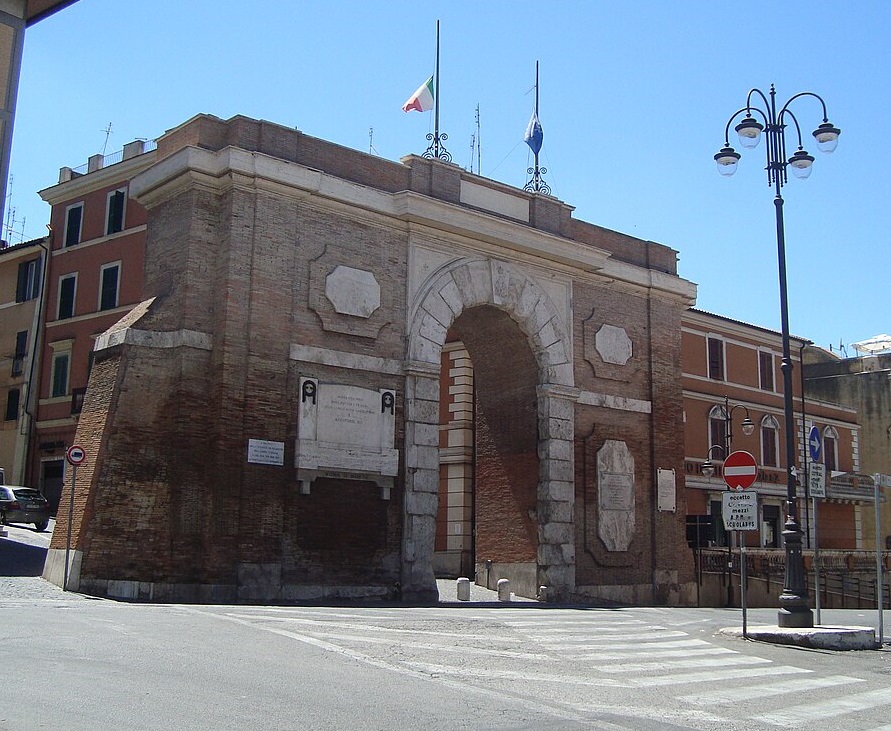
Porta Garibaldi in Monterotondo – Ph@wikipedia.org
Monterotondo is deeply connected to the figure of Giuseppe Garibaldi, the hero of two worlds; the imposing Porta Garibaldi was erected in honour of his conquest of the town on October 26, 1867. It consists of a Romanesque round arch, the only one of the four gates to the historic centre remained intact. But it was during World War II that Monterotondo had a strategic role, so much that it was awarded the Silver Medal of Military Valour for its heroic resistance to the Nazi occupation.
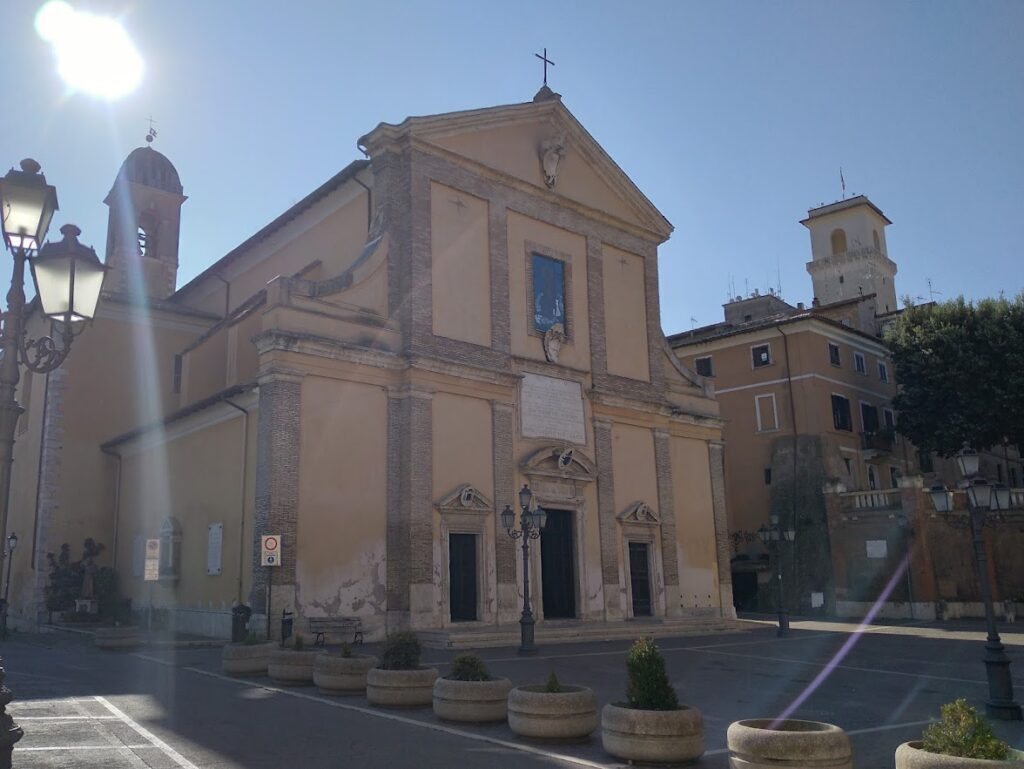
The Cathedral of Monterotondo, Ph by FB@DuomoMonterotondo
The town’s cathedral, the Church of Santa Maria Maddalena, features a neoclassical façade and richly decorated interiors. Here begins the sixth stage of St. Francis’s Way, which, after crossing the town and the Riserva Naturale della Marcigliana for 18.7 km, arrives to the Roman District of Monte Sacro. Not to be missed in Monterotondo are also the Church of San Francesco d’Assisi, with its Baroque façade and splendid garden with the statue of the Saint, and Piazza del Popolo, a meeting place for the entire town, enriched by a travertine fountain with four lions.
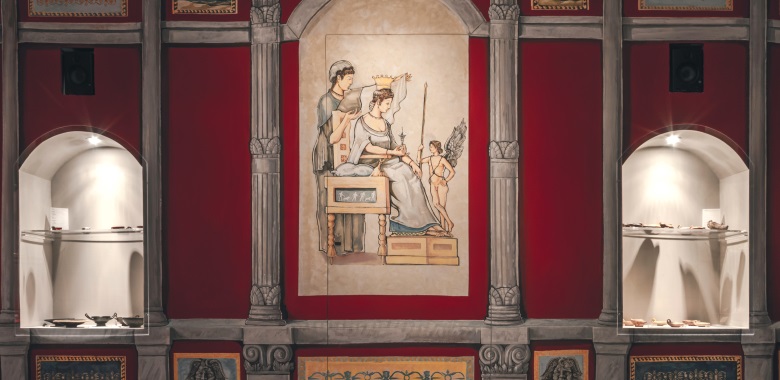
Monterotondo Museo Archeologico e Multimediale photo from www.icmcomune.it
The town’s cultural heritage is displayed in the Museo Storico and the Museo Archeologico e Multimediale of Monterotondo.
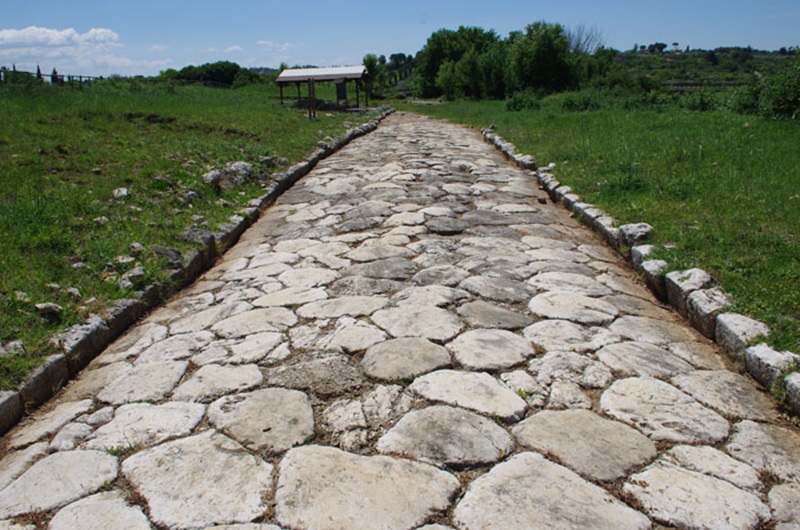
The route of the ancient Via Nomentum-Eretum in Tor Mancina
The Riserva Naturale Regionale Macchia di Gattaceca e Macchia del Barco touches on the three municipalities of Monterotondo, Mentana, and Sant’Angelo Romano, offering a unique opportunity to discover the history and culture of these towns. Within the Reserve, in Tor Mancina, lies the archaeological area of the Via Nomentum-Eretum, a still visible Roman Road paved with limestone, which connected Nomentum (today’s Mentana) to Eretum. Numerous tombs dating back to the Roman era were discovered during excavations along the route.
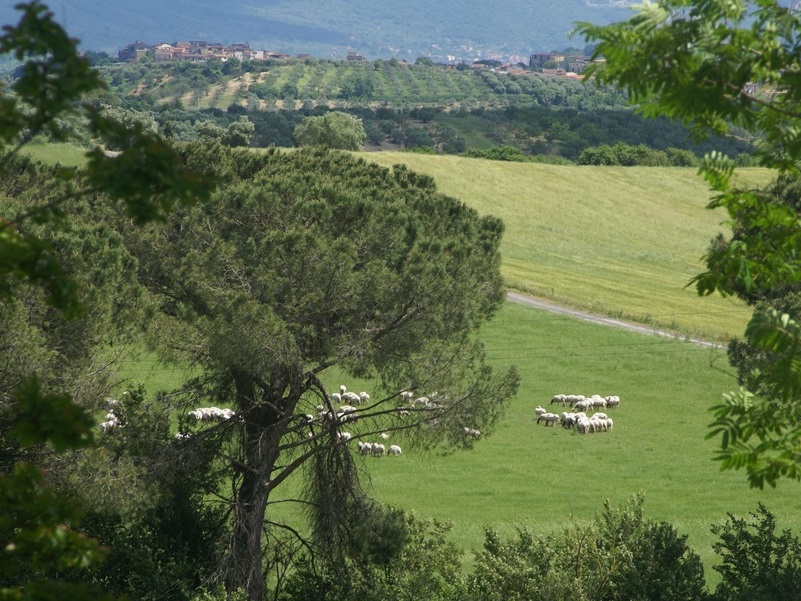
The natural heritage surrounding Monterotondo
The protected area around Monterotondo, of great botanical value, boasts forests and olive groves which produce the prized Sabina DOP extra virgin olive oil. In addition, it is characterised by intense karstic phenomena, such as caves, sinkholes “sventatori”, and dolines, present in the Bosco Nardi, or Bosco di Grotte Cerqueta, just north of Sant’Angelo Romano, and in the Pozzo del Merro, the huge eighty metres deep chasm, one of the deepest in the world, with thickly vegetated walls and a lake at the bottom.
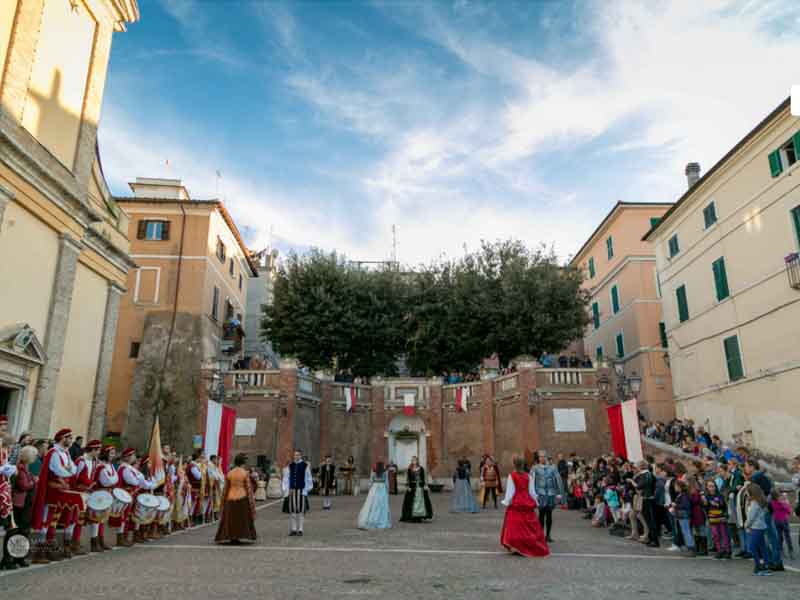
The historical reenactment of the Fasti d’Autunno in Monterotondo
The most awaited cultural initiative is the ten-day reenactment of the Fasti d’Autunno, held in November, which celebrates historical events occurred in Monterotondo in the fifteenth and sixteenth centuries, with Renaissance costume parades, chess tournaments, guided tours, food-and-wine tastings, flag-wavers, and jugglers shows, and theatrical performances.