

The ancient town of Posta arose around a pre-existing Franciscan Convent on a hill facing Mount Machilone, whose remains are still visible. The new part of the village developed along Via Salaria, by the Church of San Felice, a rest stop for the pilgrims who travelled to Rome for the first Jubilee in history, proclaimed by Boniface VIII in 1300.
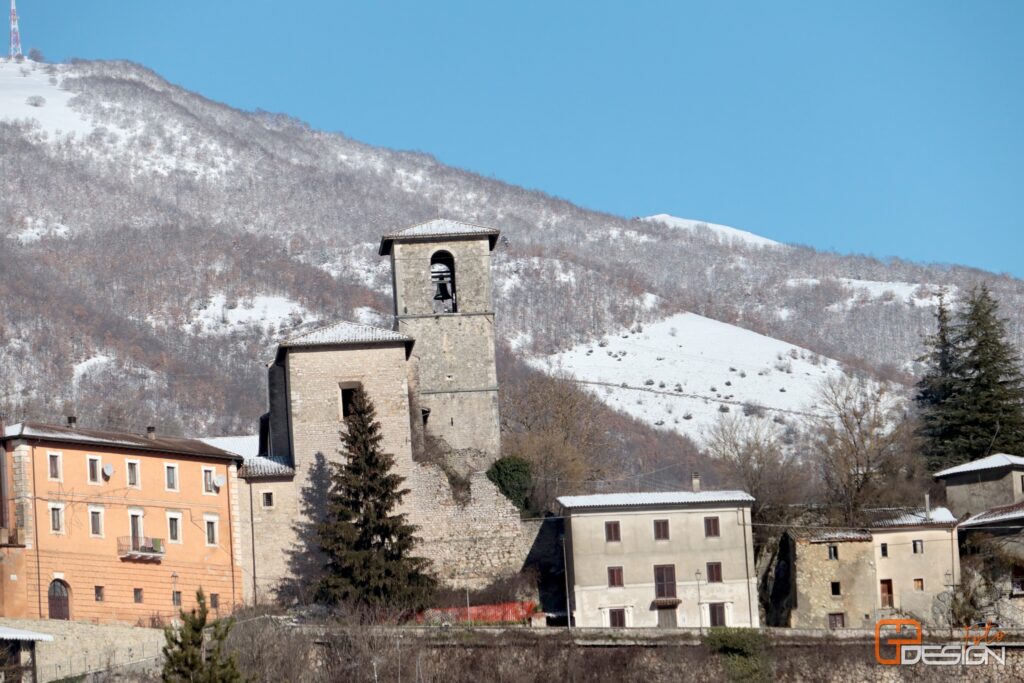
In 1331, King Robert granted Posta the title of Positae Realis, which confirmed the town’s membership in the royal domain and resumed its role as a toll and duty collection station, already carried out by the lords of Machilone. In the upper part of the village, next to St. Francis’ Convent, stands Porta delle Gabelle, a gateway to the market, where taxes on incoming goods were collected. The major attractions in the Posta area are the stunning Velino Gorges and Roman ruins such as the Masso dell’Orso and the Miglio, the milestone that marked the sixtynineth mile from Rome, halfway along the route from Rome to the Adriatic Sea.
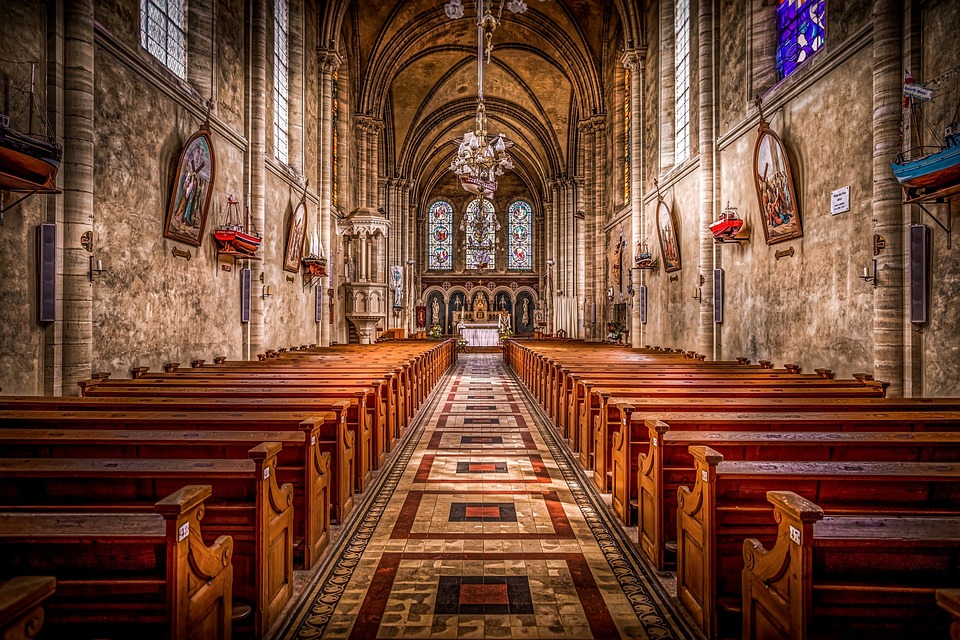
The Church of Santa Rufina – www.comune.posta.rieti.it
Santa Rufina, the oldest church in Posta, was built on the ruins of a temple dedicated to the goddess Vacuna in the twelfth century. Not to be missed is also the Convent of San Francesco, which, in the same period, was one of the richest and most flourishing Franciscan centres. The bell tower features three bells, the largest and oldest one weighing 1,700 kg and measuring 120 cm in diameter.
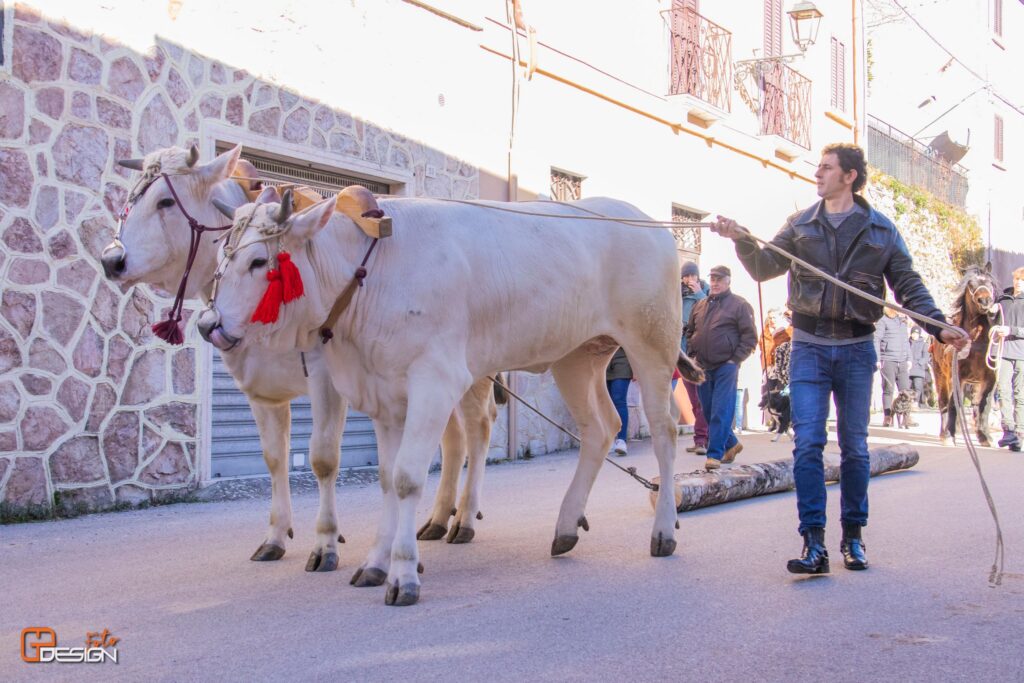
The Feast of Sant’Antonio Abate in Posta – FB @santantonioposta
Each district of Posta has a patron saint, like Sant’Antonio Abate, whose feast is celebrated around January 17, with a parade of animals pulling enormous wooden poles. The tradition began in the nineteenth century with the creation of the Confraternity of Sant’Antonio, which today preserves and carries on the traditional religious rites in honour of the saint. The event is concluded with the cutting and parade of the poles, the lighting of a fire, the festival of the zampetti (pork knuckles), and the distribution of polenta.
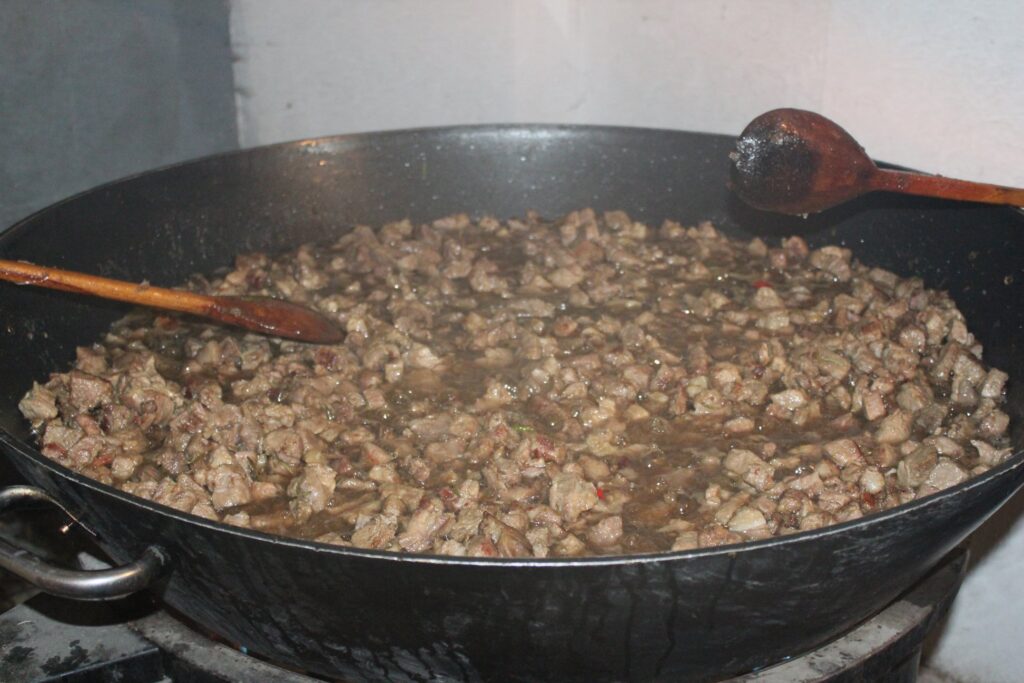
Pork knuckles in Sant’Antonio Abate – www.santantonioposta.info
The festival includes tastings of typical products, such as sausages roasted over the embers of a bonfire, polenta, and excellent wine. The zampetti, a simple peasant dish, are boiled for a long time and then seasoned with a spicy sauce made of garlic, oil, vinegar, parsley, capers, and anchovies. They are served the evening before the festival, after the lighting of the fire. Another most awaited event is the Feast of the Madonna delle Nevi, celebrated for over thirty years in Bacugno di Posta on August third with the “Fonte del Canto a Braccio” competition. The tradition of singing extemporaneous hendecasyllabic verses in eighth rhyme challenging each other was handed down from old shepherds. The performances are always accompanied by shawms and accordions. Not to be missed is the ceremony of the Obsequious Bull kneeling before the statue of the Madonna delle Nevi.
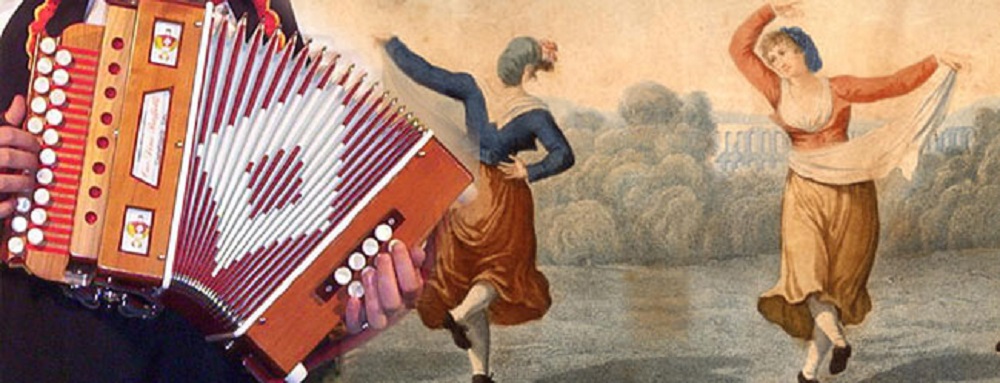
The accordion and the saltarella – www.comune.posta.rieti.it
A most renowned tradition in Posta is the saltarella, a frenetic dance associated with courting, accompanied by the music of the accordion. This typical local instrument is also played during the performances of the pasquarellari, the singers visiting every family between New Year’s Eve and Epiphany, in exchange for a glass of wine. In addition, visitors and locals will be able to witness the traditional game of the Ruzzica, where participants compete rolling a wheel cheese. The popular festival ends with the Ballo della Pupazza, or Pantasima, a life-size papier-mâché puppet animated by a person, who dances among the fireworks.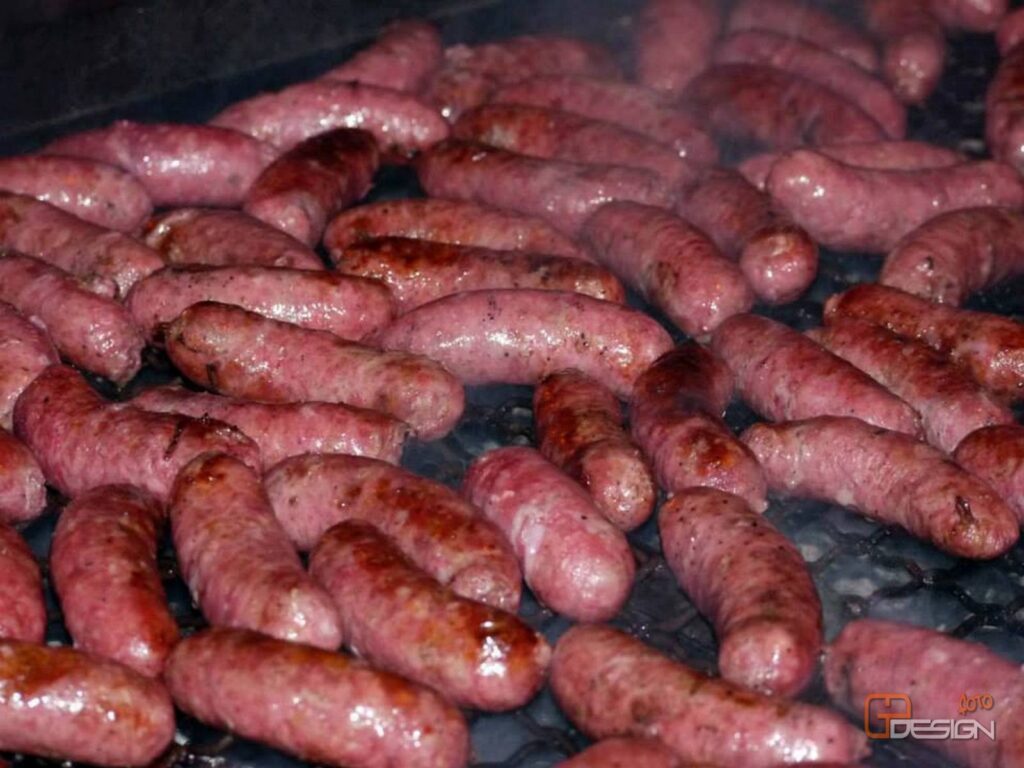
Typical dishes worth tasting are ravioli or pappardelle with mushrooms or truffles, bean and wild chicory soup, and tagliatelle with nettle pesto and crispy jaw bacon, as well as excellent local grilled meats and tozzetti (walnut biscuits).