

Settefrati overlooking the Comino Valley from a spur of Mount Cavallo at approximately 800 metres above sea level, is the gateway to the Parco Nazionale d’Abruzzo, Lazio e Molise , where the Sanctuary of the Madonna del Canneto lies.
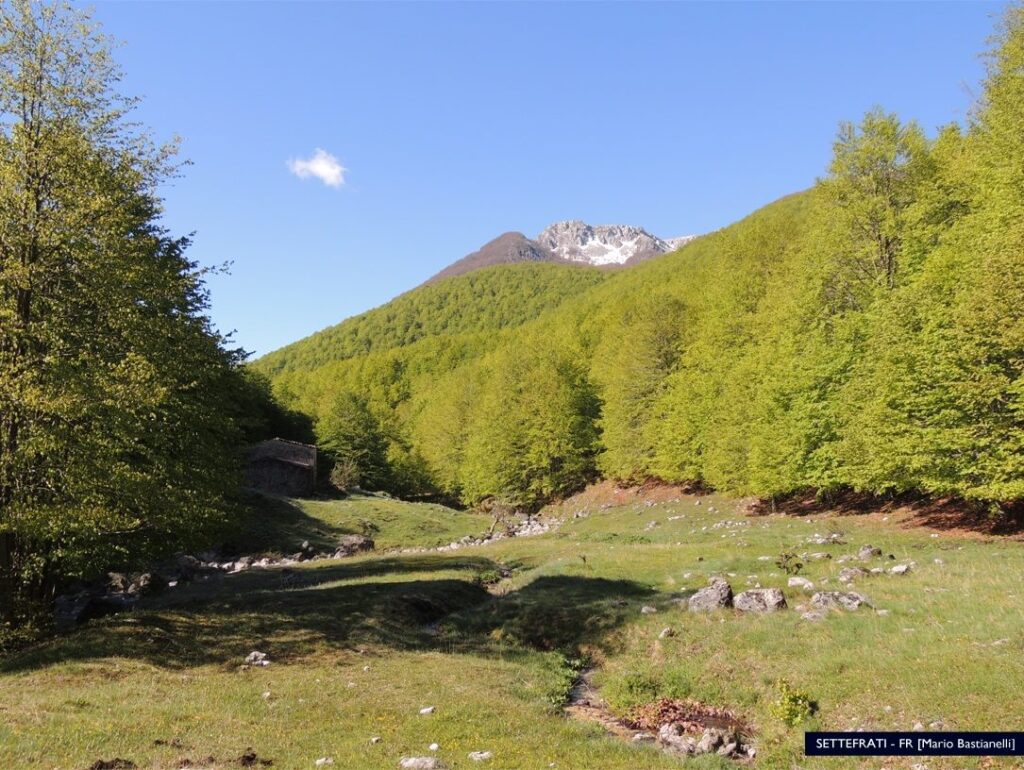
The Valle del Canneto in the Parco Nazionale d’Abruzzo, Lazio e Molise
The Parco Nazionale d’Abruzzo, Lazio e Molise, surrounded by 2,000 metres high mountains, is home to wild animals, such as bears, wolves and chamois, and, if you are equipped with a good zoom camera, it will even be possible to capture a deer. Through the Park, winds a 10-kilometre panoramic route that leads to the Sanctuary of the Madonna del Canneto.
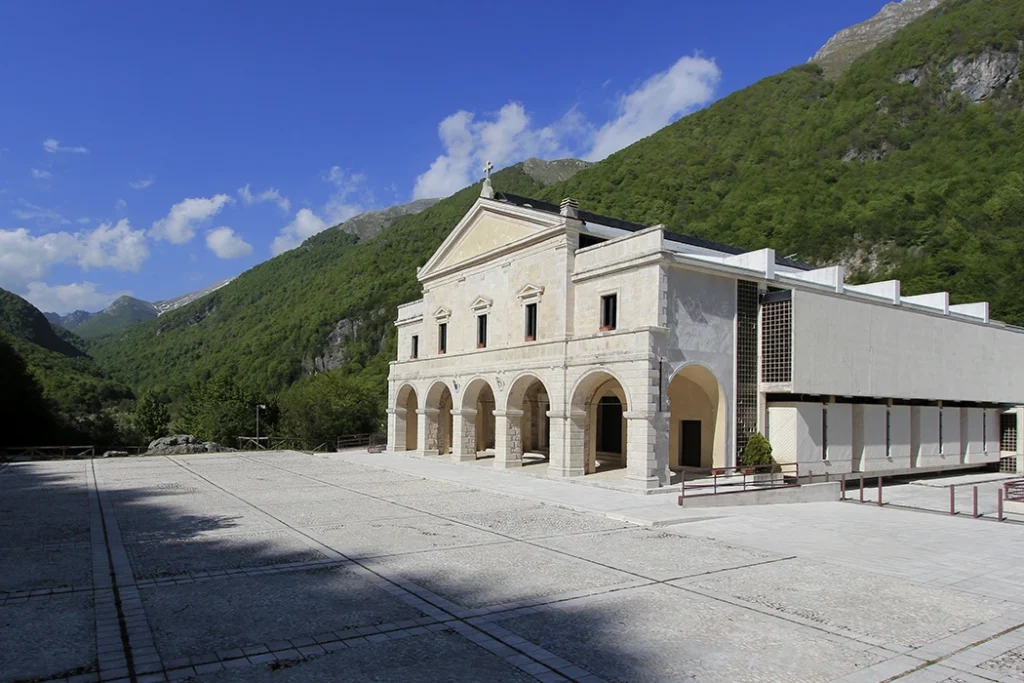
The Sanctuary of the Madonna del Canneto – www.turismo.comune.settefrati.fr.it
The Sanctuary of the Madonna del Canneto, located at the foot of Mount Meta at an altitude of 1,000 metres, was built by Benedictine monks on the ruins of a pagan temple dedicated to the Goddess Mefiti. It houses a rare treasure, the extraordinary wooden statue of the Black Madonna del Canneto.
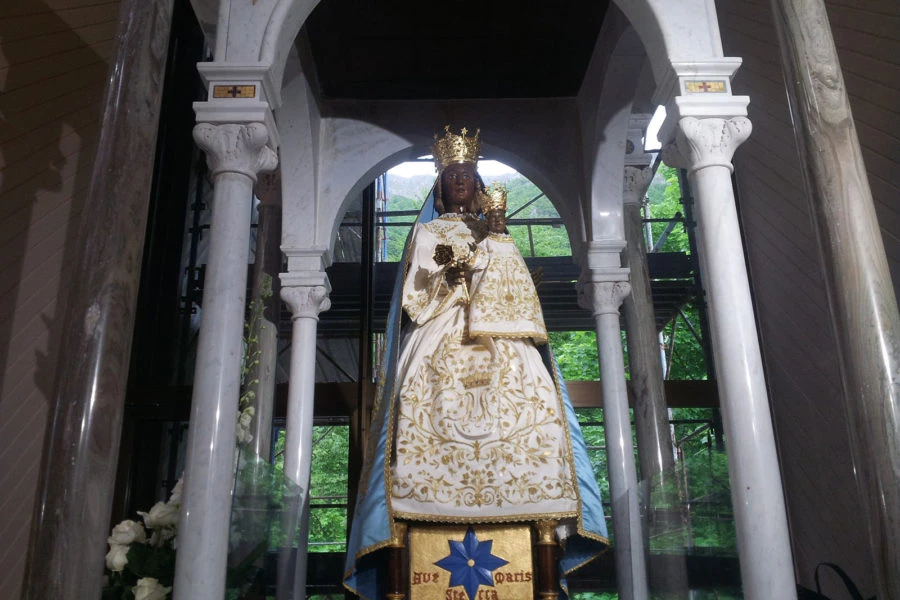
The wooden statue of the Black Madonna del Canneto in the Sanctuary – www.turismo.comune.settefrati.fr.it
The statue, dating back to the twelfth or thirteenth centuries, was erected to celebrate a miracle; it is said that the Virgin appeared to a shepherdess and asked her to build a church on that spot. When the faithful attempted instead to move the statue to the village, the imprint of the Madonna appeared on the rock, a sign of her will to remain there.

The Procession for the Feast of the Madonna del Canneto – Mario Fantozzi @www.turismo.comune.settefrati.fr.it
The miracle is celebrated on August 22 with the Feast of Maria Ss.ma di Canneto, which lasts a whole week. The highlight of the event is the night procession of the pilgrims, carrying the statue of the White Madonna from the Church of Santo Stefano.
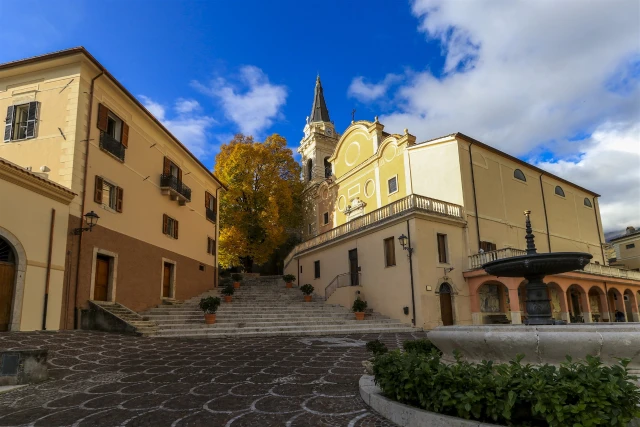
The Church of Santo Stefano Protomartire – www.turismo.comune.settefrati.fr.it
The narrow, steep alleys of the historic centre lead to the Church of Santo Stefano Protomartire, which hosts a shrine with the statue of the White Madonna. It remains covered from August 29 to August 14 of the following year, when it is carried in procession to the Sanctuary of the Madonna di Canneto. The Church of Santo Stefano was at first the chapel of a castle on the hilltop, from which the city walls began. The ruins of the fortress’ medieval watchtower, built between the twelfth and the thirteenth centuries, are still visible. In front of the church, rises a huge linden, included in the list of the Monumental Italian Trees.
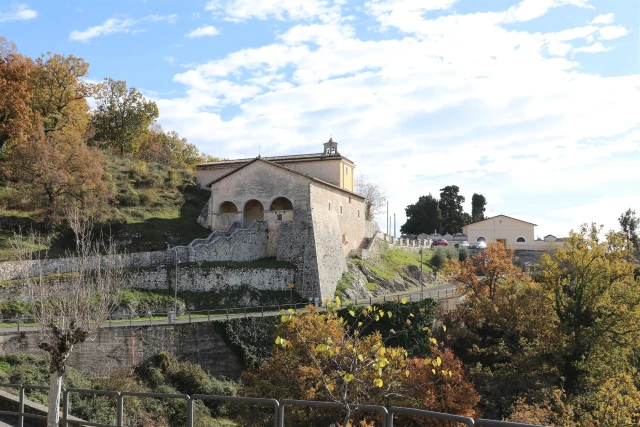
The Church of the Madonna delle Grazie – www.turismo.comune.settefrati.fr.it
Settefrati was founded in the Early Middle Ages on the ruins of Vicus, an ancient pre-Roman settlement. The curious toponym commemorates the seven sons of Saint Felicita, who were martyred in Rome in 164 AD during the Christian persecution. At the entrance of the village stands a small church dedicated to the Saint. Another renowned place of cult is the Church of the Madonna delle Grazie, which houses in its atrium a depiction of the Last Judgement, said to have inspired Dante’s “Divine Comedy”.
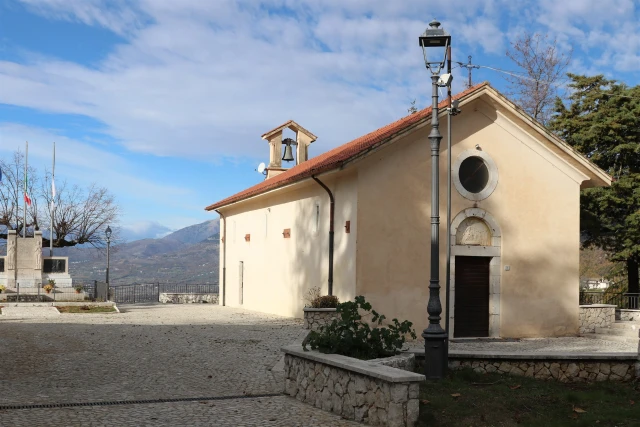
The Chiesa della Consolazione or La Tribuna – www.turismo.comune.settefrati.fr.it
The Chiesa della Consolazione, known as “La Tribuna” was built in the sixteenth century in honour of the Virgin Mary of Consolation. The nickname refers to an architectural element inside the church resembling a tribune or a matroneum, probably once reserved to the choir.
Settefrati boasts several dishes typical of the Ciociaria peasant cuisine, such as Sagne and beans, a kind of fresh handmade pasta prepared with flour, water, and salt, and then cut into wide and short irregular strips. The recipe, dating back to 1600s, was one of Marcello Mastroianni‘s favorite dishes.
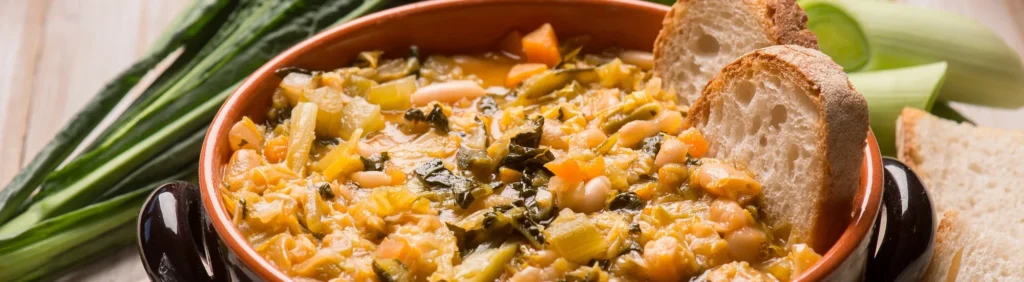
The Pan Moll
Another traditional local speciality is the Pan Moll, stale homemade bread cooked with vegetables, legumes, and pork rinds, seasoned with Valle di Comino EVO oil. This bitter-spicy-flavoured olive oil, with an aftertaste reminiscent of almonds, artichokes, or green tomatoes, is produced in Settefrati, San Donato Val di Comino, and Alvito using the Oliva Marina cultivar.