

Petrella Salto is a charming village rich in history overlooking Lake Salto and nestled in the heart of the Cicolano Valley. This region’s archaic, solitary beauty fascinated, in the 19th-century, the historian and writer Cesare Cantù, who called it the Switzerland of Italy.
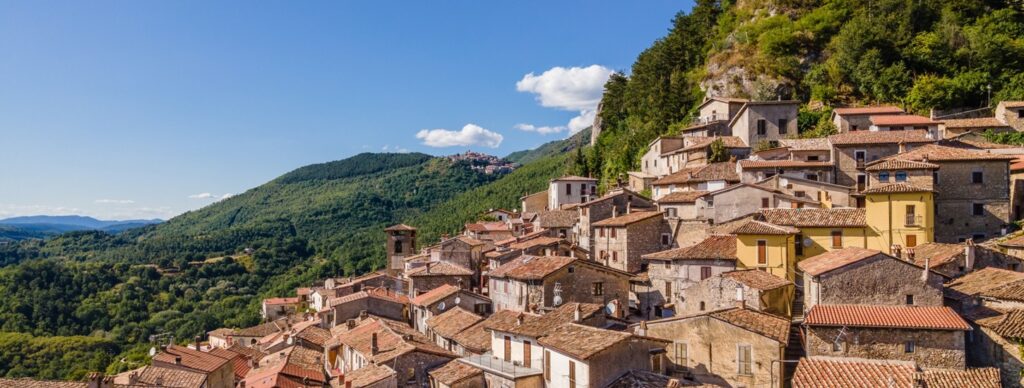
Petrella Salto nestled in the Cicolano Mountains
The municipality of Petrella Salto includes fifteen hamlets: Borgo San Pietro, Capradosso, Castel Mareri, Cerreta, Colle della Sponga, Colle Rosso, Diga Salto, Fiumata, Offeio, Oiano, Pagliara, Piagge, San Martino, Staffoli, and Teglieto.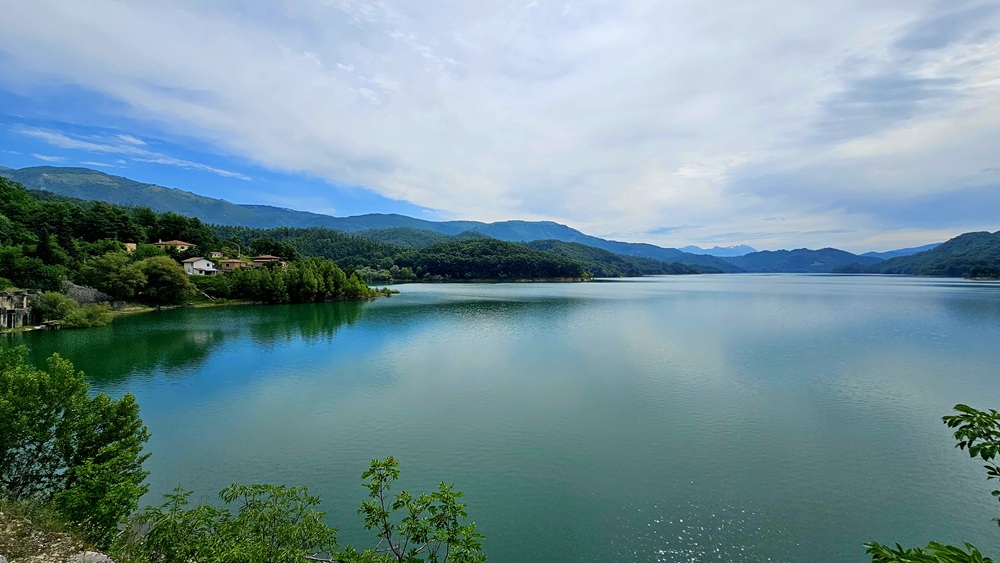
The village originally lied much further downstream, above the Salto River, on the spot where Lake Salto, the largest artificial lake in Lazio, is now located.
Petrella Salto, a fiefdom of the Mareri counts, was acquired by the Colonna Family in the 16th century, and, upon the death of the last descendant, it was incorporated into the Kingdom of Naples.
Saint Philippa, born to the noble Mareri Family, met Saint Francis between 1221 and 1225. This experience strengthened her innate religious vocation, so much so that, in 1228, she founded a monastery and created a monastic community which provided assistance to those in need. Saint Philippa, venerated in many Italian regions and even abroad, was a teacher of spiritual life and the first saint of the Second Franciscan Order and of the Poor Clares.
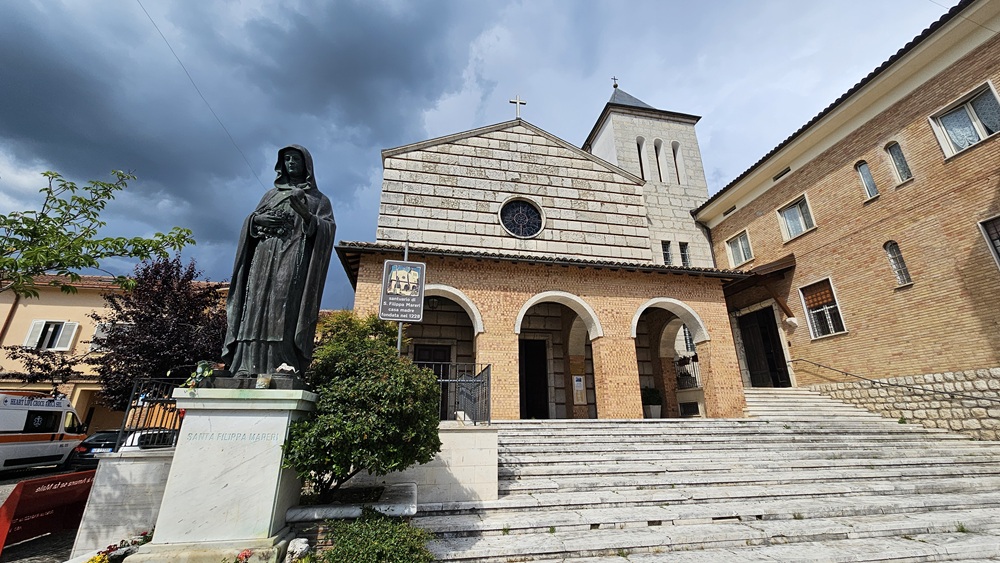
The entrance to the Sanctuary and the bronze statue of Saint Philippa Mareri
In 1940, due to the creation of the artificial lake, Petrella Salto was submerged and then rebuilt 550 metres above sea level. The Monastery of Saint Philippa and the adjacent church were also dismantled and rebuilt piece by piece where they stand today.
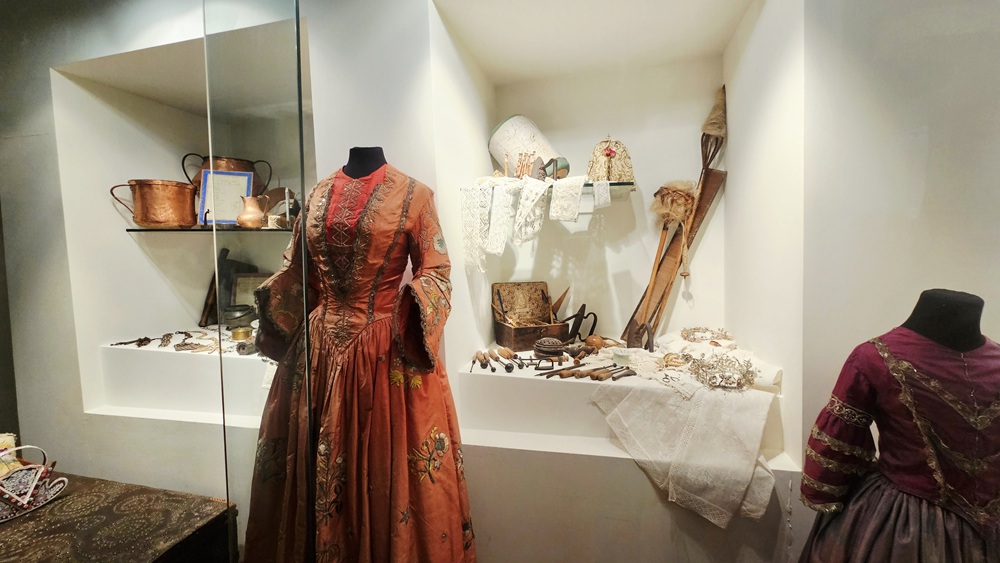
The Museum in the Sanctuary of Saint Philippa Mareri in Petrella Salto
The monastery houses a museum displaying relics from the past, such as furnishings and daily life objects belonged to the Poor Clares. Unmissable are a few striking paintings by Giorgio De Chirico, donated by the renowned artist to the monastery as a sign of deep affection. Among them, a self-portrait from 1960 stands out.
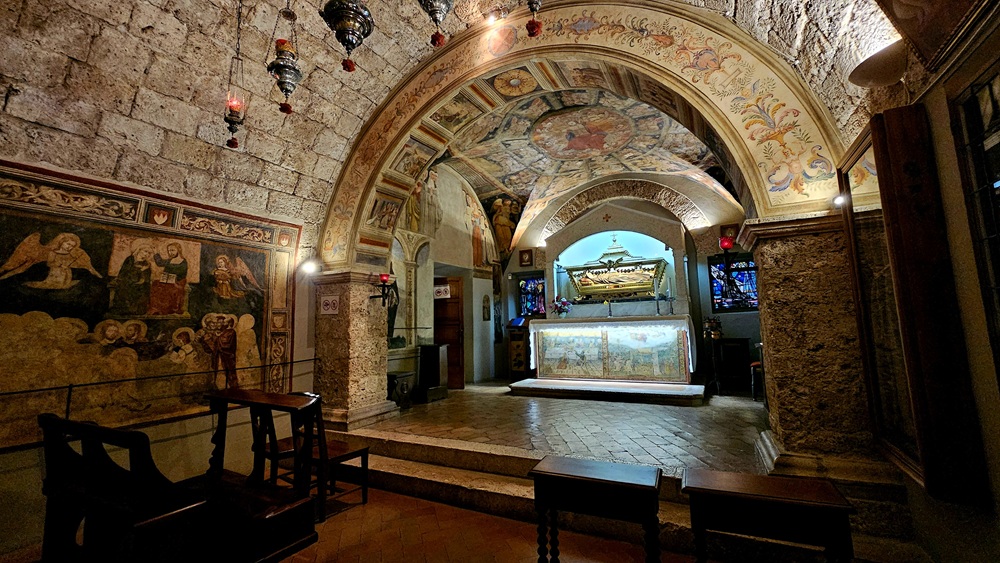
The Splendid Chapel of Saint Philippa Mareri
The Chapel of Saint Philippa, exactly rebuilt on the basis of the original one, preserves 16th-century frescoes and an extraordinary reliquary hosting the Saint’s Heart, miraculously found intact.
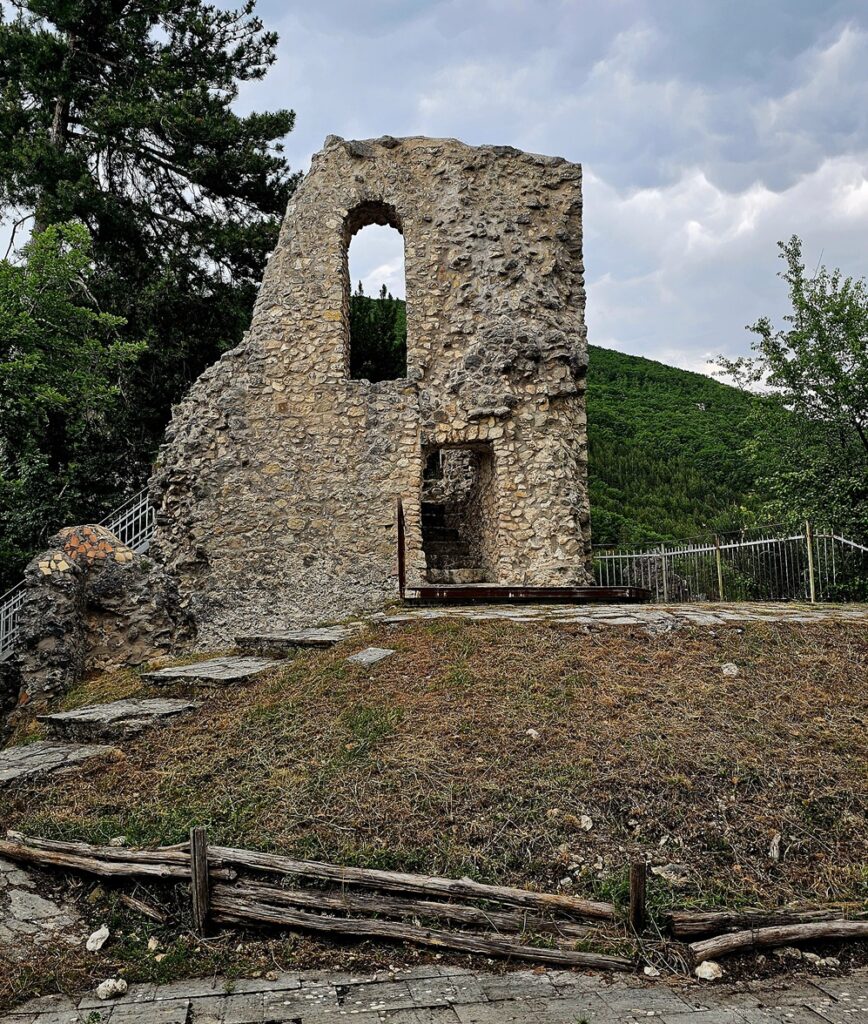
The Fortress of Beatrice Cenci
Petrella Salto is also linked to the figure of Beatrice Cenci, who, although totally different from Saint Philippa, inspired numerous literary and theatrical works over the centuries. It is said that the young noblewoman, tired of her father’s Francesco constant abuse and tyranny, skilfully organized a patricide, committing one of the most brutal murders of the century.
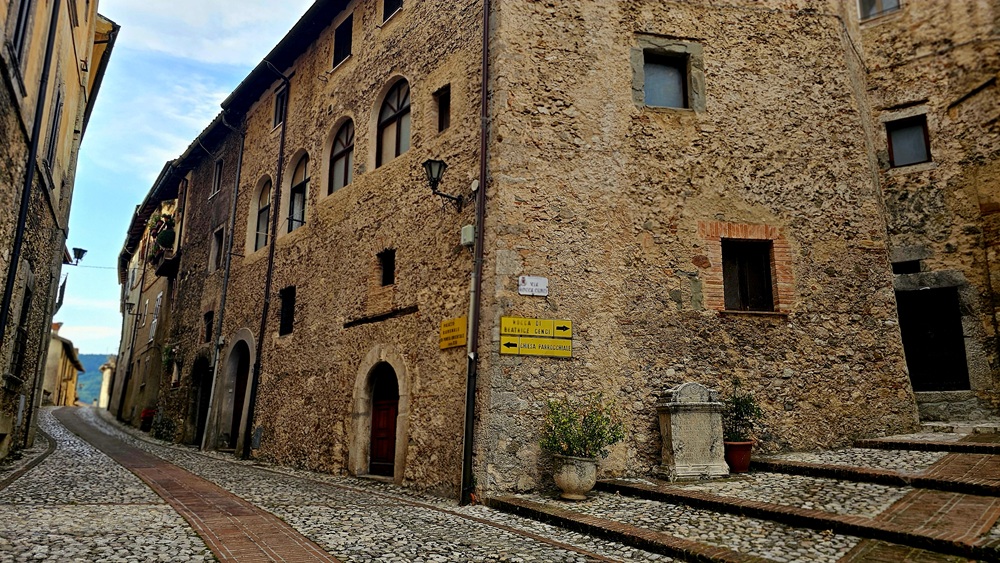
The starting point of the path climbing up to Rocca Cenci
The fortress from which Beatrice, with the help of her stepmother and the entire family, threw her father to make it look as an in an accident, can now be reached following a short climb which starts in the centre of Petrella Salto. From here, it is possible to enjoy a unique, stunning view over the village, the dense forests of the Cicolano Valley, and the blue waters of Lake Salto.
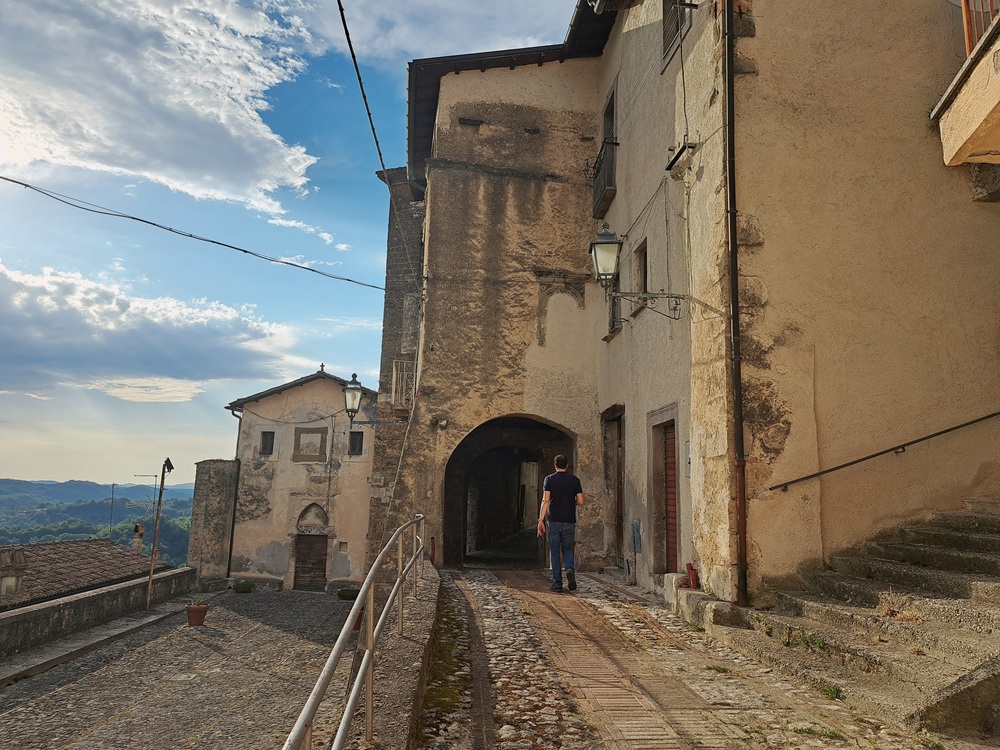
The small Collegiate Church of the Santissima Annunziata
A stroll through the historic centre, with its elegant buildings and narrow cobblestone alleys, is also a must. Among the many places of cult, we can admire the Church of Sant’Andrea and the Collegiate Church of the Santissima Annunziata, built in the 12th century and subsequently remodelled, to be visited by telephone booking at the Town Hall.
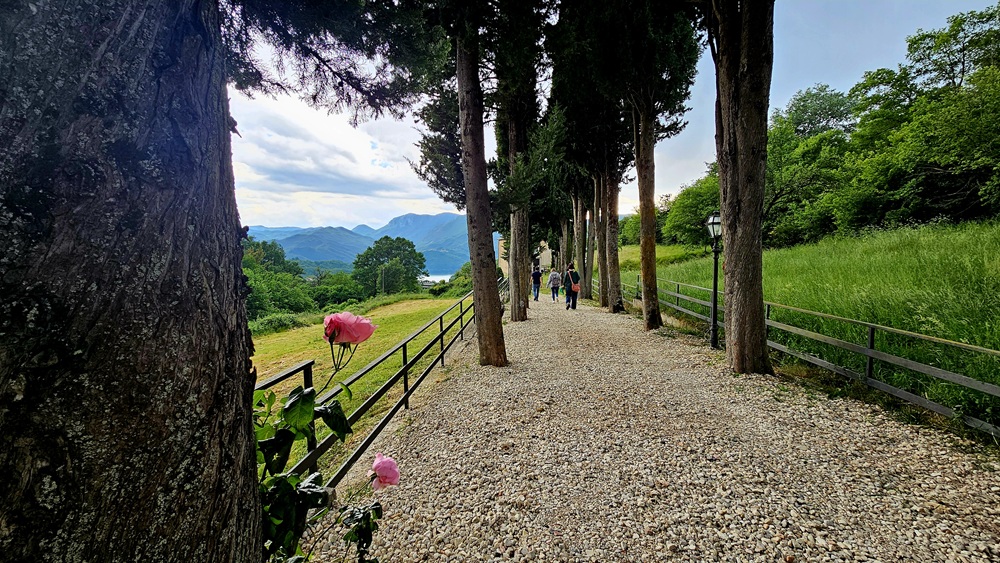
The beautiful road leading to the Sanctuary of Santa Maria Apparì
Not far from the historical centre, along the road descending into the hamlet of Borgo San Pietro, lies the Sanctuary of Santa Maria Apparì, one of the most important destinations for faithful and pilgrims from all over Italy. The complex was built on the site where, in 1562, the Virgin appeared to a young girl named Persiana. The little girl, who had climbed a tree to pick cherries, managed to get down despite her sore arm, thanks to the Madonna who appeared to her rescue. The apparition gave rise to the popular devotion that still continues today.
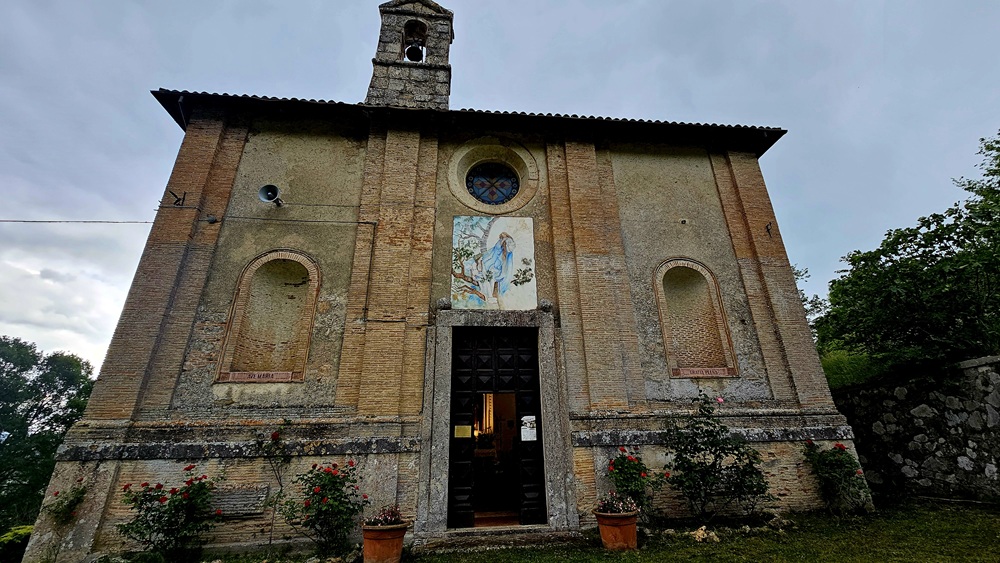
The façade of the Sanctuary of Santa Maria Apparì
The evening before the feast of the Virgin Mary, celebrated every year on the last Sunday of May, a bas-relief depicting the scene of the apparition is carried on procession from the Church of Sant’Andrea to the Sanctuary. On Sunday, the blessing of the cherries takes place, and the bas-relief returns to the Sanctuary.
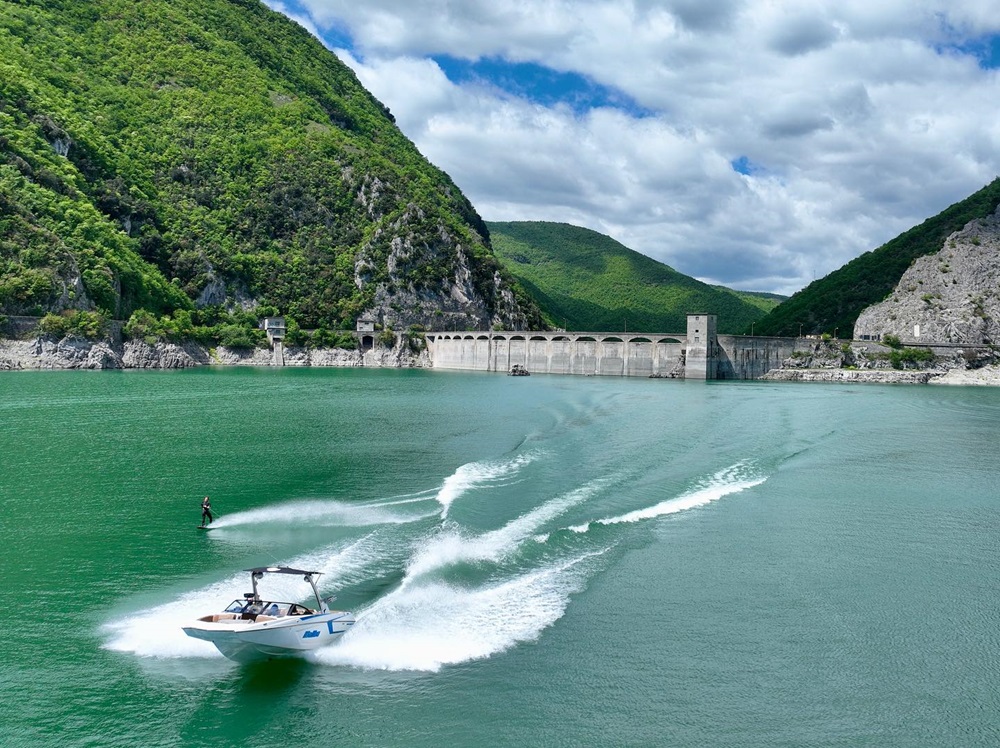
Wakeboarding on Lago del Salto – FB Photo CNVS Wave
The artificial lake Lago Salto is one of the main attractions of Petrella Salto. It was created in 1940 to power the Cotilia hydroelectric plant, built a couple of years later to serve the Terni steelworks. Its waters are suitable for swimming and water sports, such as wakeboarding, practiced by numerous enthusiasts, who regularly compete in national and international events, including the World Championships, held here.
In addition, scuba divers will be able to explore the old submerged village. For information, please contact the specialized centres.
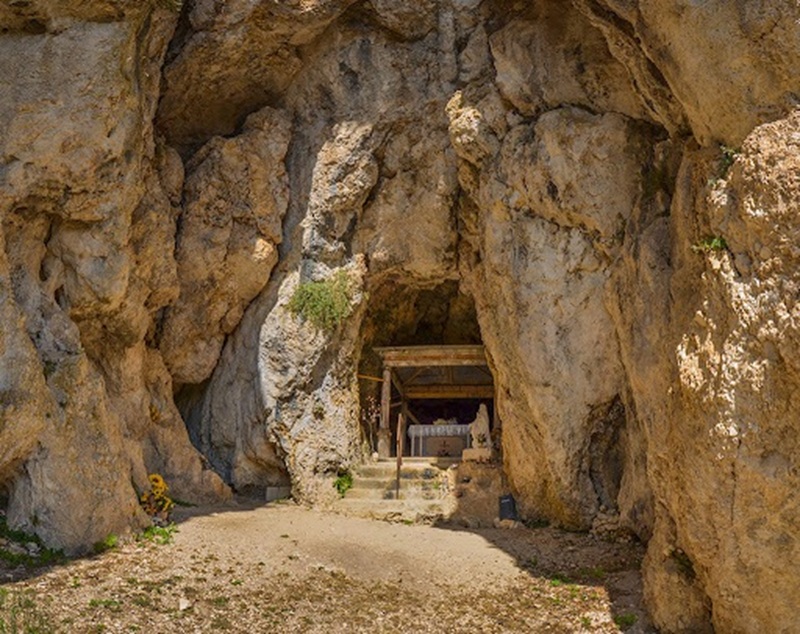
The Grotto of Santa Filippa – Photo suorefilippamareri.it
Whereas, those who prefer hiking in nature, will be able to walk a path that, from the village, leads to the Grotto of Saint Philippa, now a small rock church. From here, it is possible to admire an enchanting view of the Cicolano Mountains and the surrounding area.
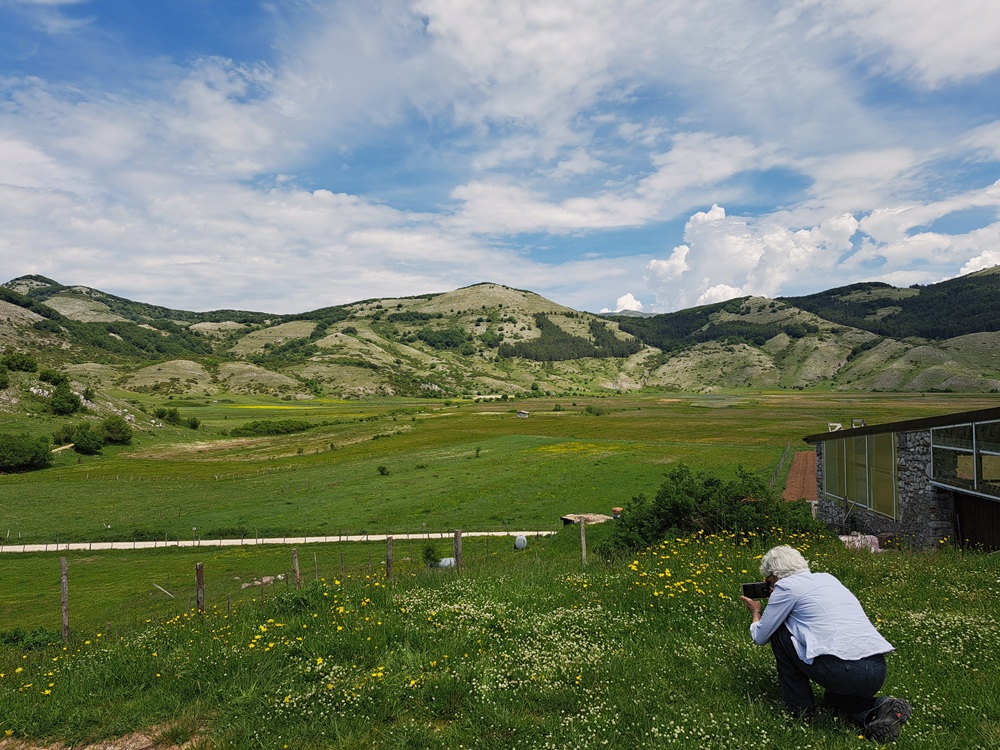
The Rascino Plateau in the Cicolano Valley
In the heart of the Cicolano Mountains, in the municipality of Fiamignano, lies the Rascino Plateau, one of the most evocative uncontaminated destinations, easily accessible from Petrella Salto.
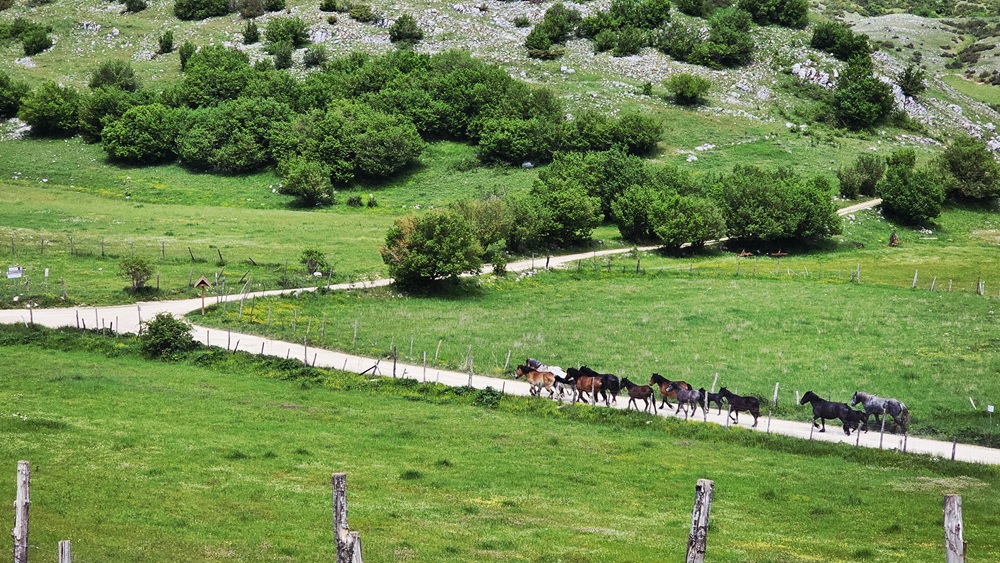
Horses on the Rascino Plateau
This area is rich in pastures, where to graze and water cows and wild horses in the summer season.
Not to be missed are typical local products, such as truffles, porcini mushrooms, and lake fish.
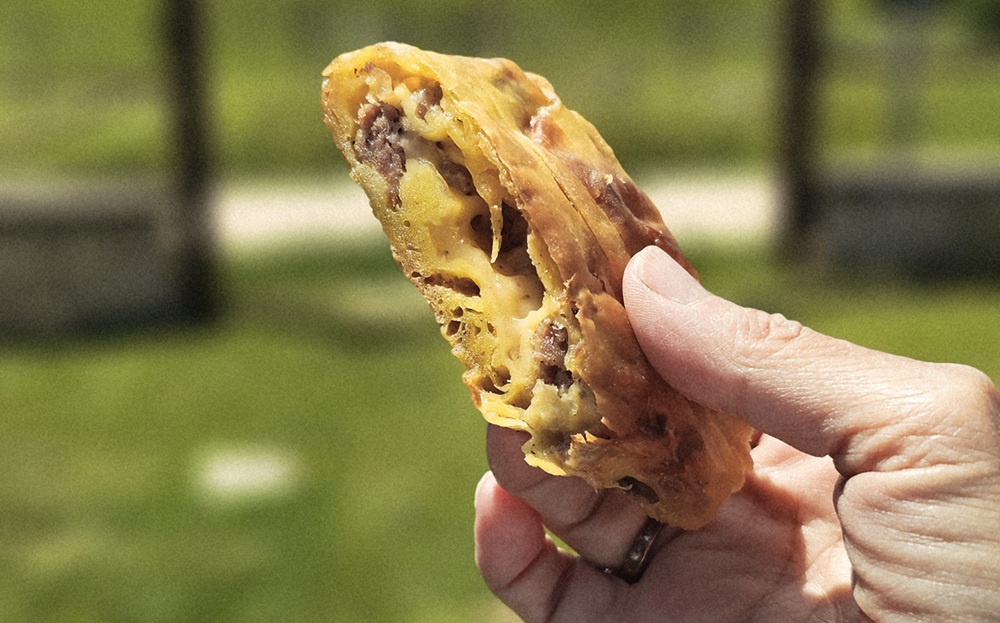
The Pizza Rentorta, a typical speciality from Cicolano
Also renowned are the recipes prepared with the Cicolano red chestnuts, like the delicious Pizza Rentorta, a rustic pie from the Cicolano Valley, recognized as a Typical Traditional Product (PAT) of Lazio.