
There is no proper Summer without grattachecca, a glass full of crushed ice and fresh fruit drowned in syrup.
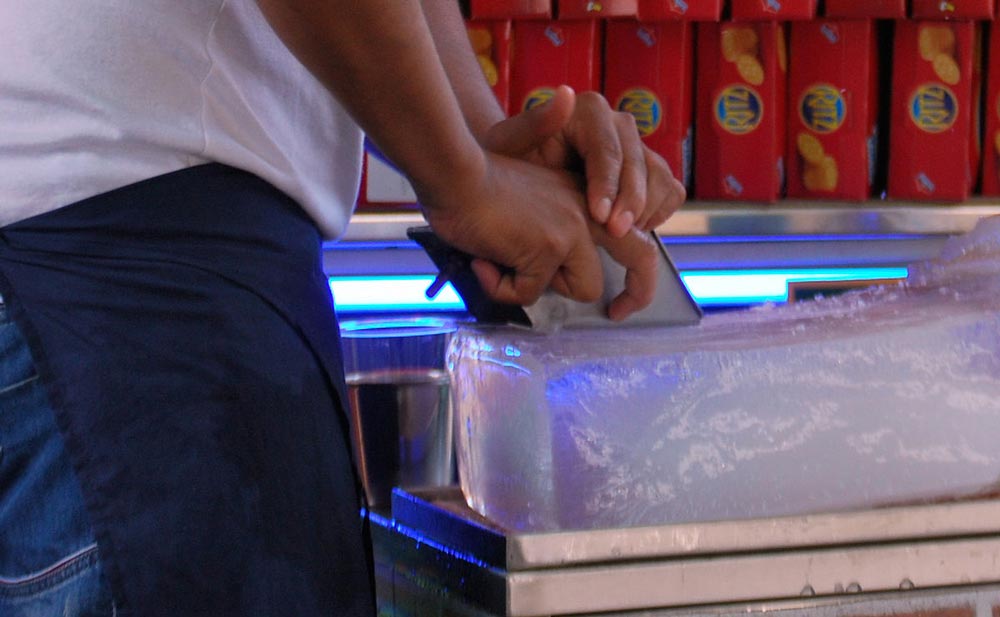
Unlike the granita, it mainly consists of ice, scraped from a block with an appropriate iron tool.

This delicacy, thought to have origins in Abruzzo, appeared at first in the Roman kiosks in Trastevere in the last century. At the time, it was considered the cheapest version of the classic promenade ice cream, intended for bourgeois consumers.

Some say that the term grattachecca derives from a certain Francesca, nicknamed Checca, who, in ancient times, sold ice shards scratched (grattati) from the block.

The ancestor of the grattacheccaro was actually the neviero. He transported blocks of ice from the mountains on the back of a donkey and then on a cart, covered them with a thick layer of insulating straw, and delivered them to the citizens, who could preserve food and prepare ice creams and sorbets.
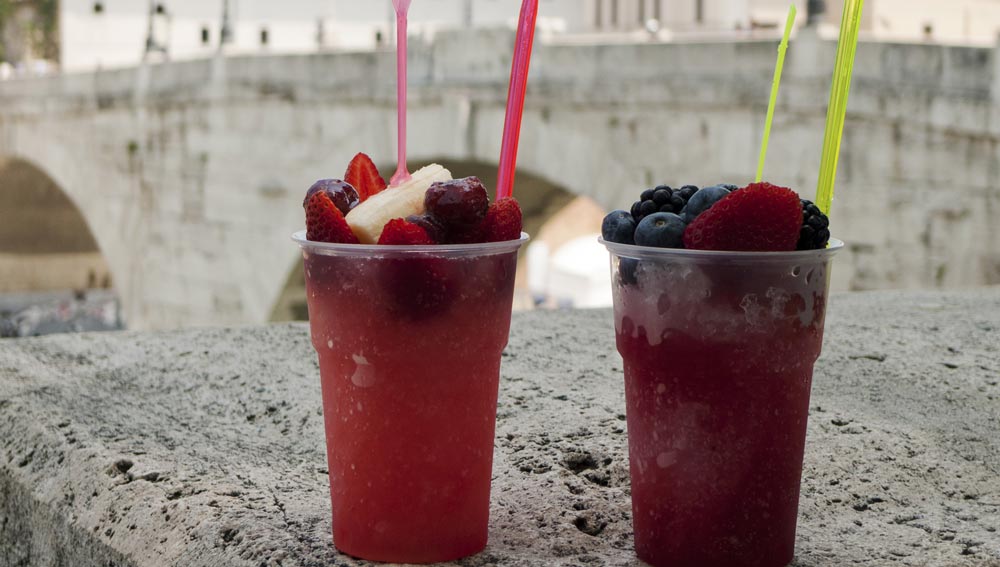
There are many kiosks selling this dessert, almost in every district; some are open all year round, others only in summer. The oldest one has been standing in Città del Vaticano since 1933.

The kiosk in via Magna Grecia shows the writing in dialect “La mejo grattachecca de Roma”. Here, the most requested flavour is certainly sour cherry, with coconut flakes and black cherry syrup on top. The lemon flavoured variant is prepared with fresh lemon squash.

For the authentic inhabitants of the Roman District Testaccio, Lemoncocco, with lemon and coconut juice, is the best. Tasty chopped lime peels can be added.

In Trastevere, the gratichecca, as it is called, has been produced for four generations. It is said that even Leonardo Di Caprio stopped by here undercover! Among the illustrious people who have tasted the Roman grattachecca stands out Michelle Obama, who appreciated it on the Tiber Island.
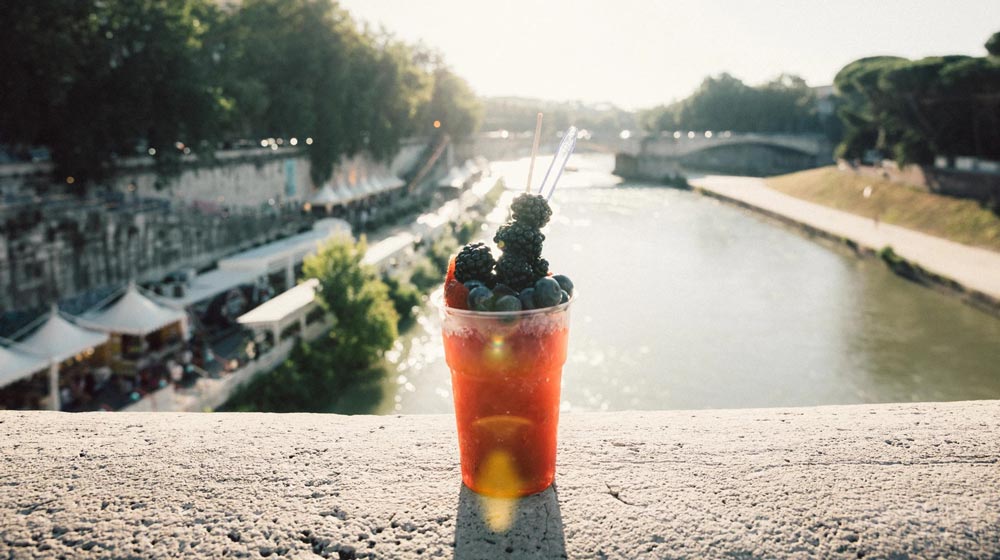
Grattachecca

We advise you to avoid syrup if you are watching your weight, and to eat your grattachecca quickly, or it will turn into hot fruit juice.

Happy Roman Holiday!


Social share
SCOPRI ANCHE

May 1st in Lazio, broad beans, pecorino, and music

In Lazio, the first of May is celebrated with broad beans and pecorino cheese, one-day excursions and the historic Concertone in Piazza San Giovanni in Laterano! The traditional day outdoors dates back to ancient Roman times, when the arrival of Spring was welcomed...

Happy 2779th birthday Rome!

On April 21st Rome celebrates its 2777th birthday. Why is April 21st celebrated? And what are the traditions to experience in the Eternal City? Here’s the story.

Orie, Terme di Amatrice, walking among the deer

A walk in a natural oasis in Configno, a hamlet of Amatrice, accompanied by deer and fallow deer, the verses of the Canticle of the Creatures, and the poetry of De Andrè.

12 Walks among 7 flowers in bloom in Lazio

It’s time to experience nature in bloom. Walk among 7 flowers in bloom in Lazio from Spring to Summer in 12 places with a thousand fragrant nuances.

The wonder of Hanami in four places in Rome

If you are searching for emotions in Rome, stop to admire the wonderful Hanami blossoming cherry flowers between late March and mid-April. Have a pleasant walk throughout the Eternal City and visit the four places where to enjoy the shade of cherry trees. The Japanese...

The Three Women who created the Garden of Ninfa

And as with every self-respecting fairy tale, we open the great book on the story of three noblewomen who made the history of the Garden of Ninfa!

Travelling in the bizarre Lazio

We travel to bizarre Lazio to discover unexpectedly strange, macabre or heavenly places, always shrouded in an aura of mystery and surprise.

A Journey in the garden of Ninfa, Welcome to Paradise!

Centuries-old trees, colorful flowers, ancient ruins, water features. The Garden of Ninfa is a living work of art, discovering it is an experience that ignites the senses

Alice in wonderful Lazio

The combination of nature and art in Lazio create magic, sometimes mystical atmospheres, inspiring our heart and fascinating our eyes. Let us explore the fairy woods, where we will get lost and find ourselves again, just as it happened to Alice in Wonderland. The...

The Reenactment in Alatri on Good Friday

Since 1835, Good Friday has been staged in Alatri, a historical-religious reenactment of the last days of Jesus with scenes inspired by the Old and New Testaments.