

Castel Madama developed on the slopes of the Prenestini Mountains between the 10th and 11th centuries around the ancient village of Castelluccio.
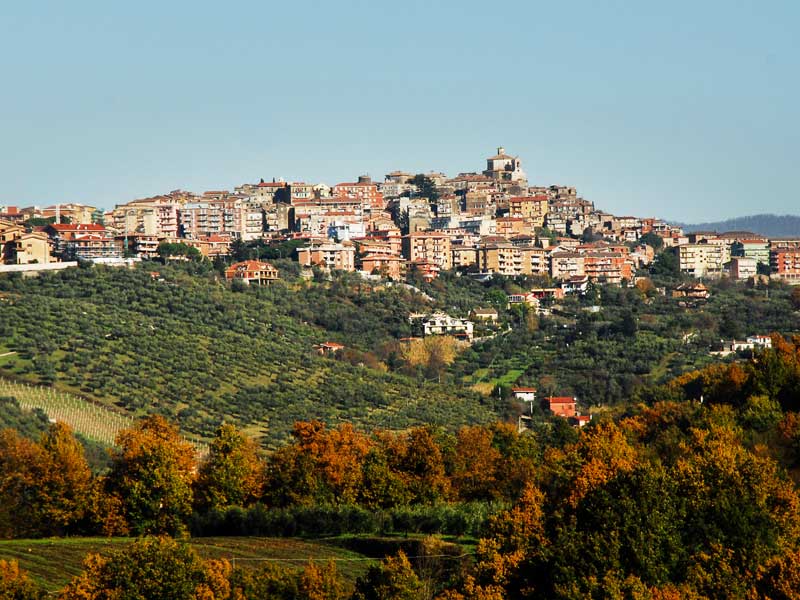
Castel Madama
Originally called Castrum Sancti Angeli, Castel Madama enjoyed a thriving economy for many centuries, respectively under the Orsini, the De’ Medici, and the Farnese Families.
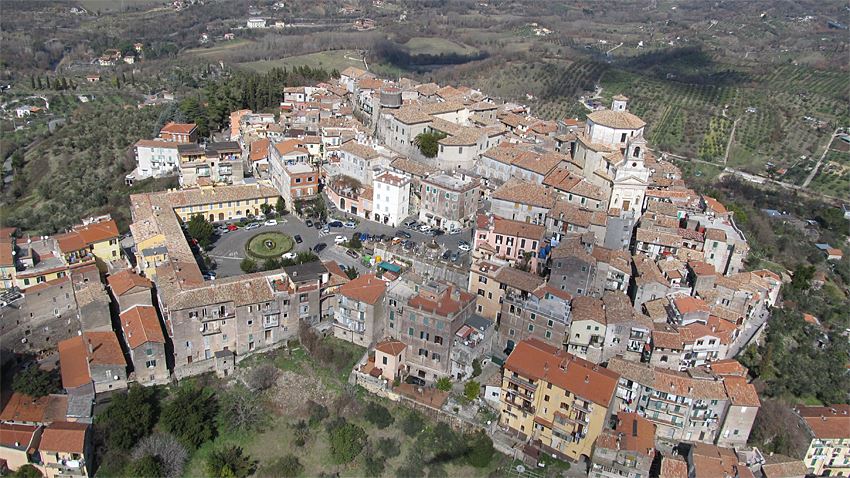
Castel Madama RM – www.prolococastelmadama.it
The Castle was built in 1308 by the Orsini and successively renovated by feudal families. In the first half of the 16th century, Margaret of Austria turned it into a palace-fortress in Renaissance style.
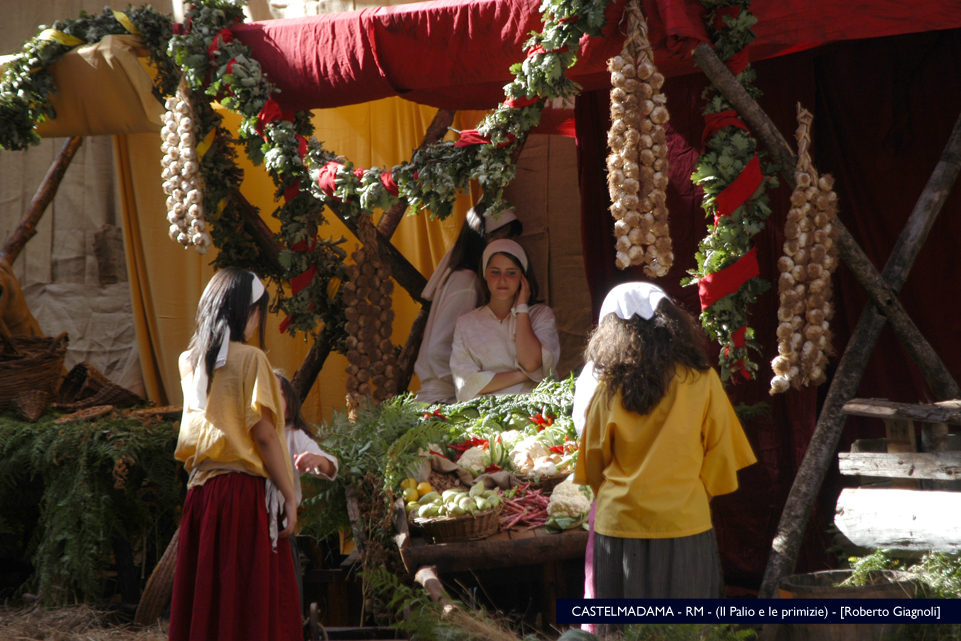
Ancient crafts at the Palio of the Madama Margherita d’Austria in Castel Madama
The Palio is dedicated to Madama Margaret of Austria, daughter of Emperor Charles V, from whom the village took its name. This evocative historical reenactment commemorates her entry into the fiefdom in 1538. During the first and the second weeks of July, the alleys of Castel Madama are once again pervaded by the splendour of the Renaissance atmosphere, with figures in period costumes putting on stage traditional ancient crafts.
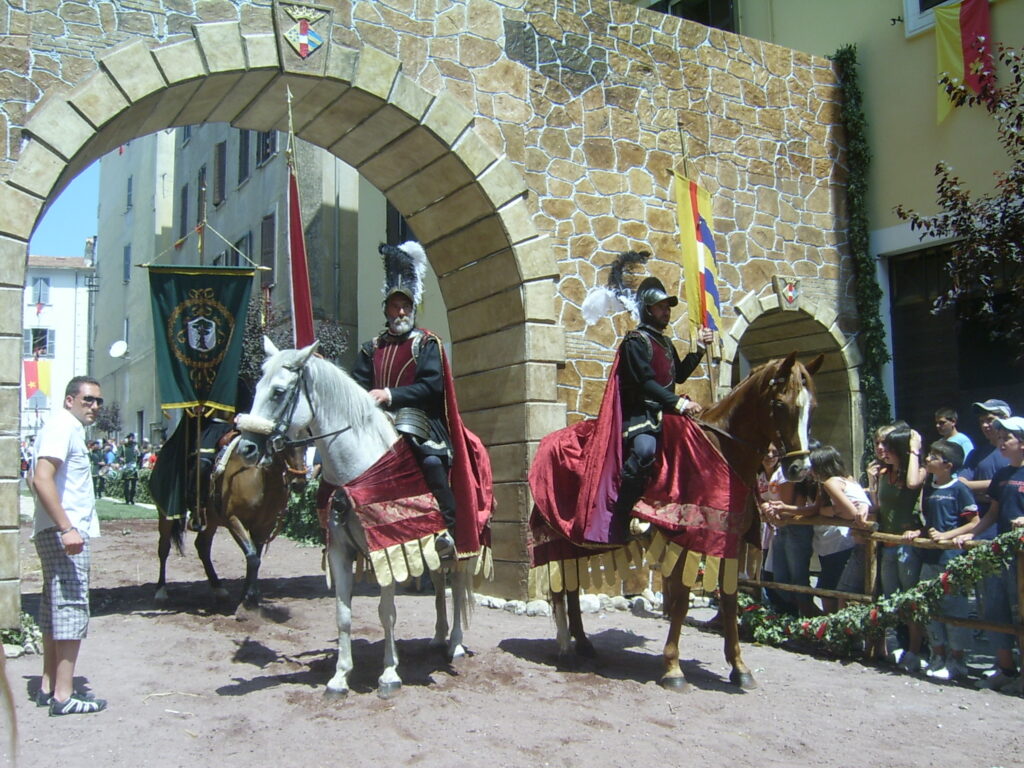
Madama Margaret of Austria-The Palio of Castel Madama
On the first Saturday of July, a competition among the four districts of Castel Madama takes place. It begins with the presentation of the Palio’s scenography, and, on Sunday morning, it continues with the historical parade starting from the Orsini Castle. On the Saturday evening of the second week of July, a Renaissance dinner is celebrated, whose main dish is the Gramiccia Castellana, homemade pasta with fresh tomatoes, celery, chili pepper, and spicy cheese shavings.
The procession of the four districts, Borgo, Castelluccio, Empolitano, and Santa Maria della Vittoria, is led by the Madama and the Palace Dignitaries. It departs from the Orsini Castle, marches through the main streets, and reaches Piazza del Palio, where it ends with the oath of the Massari before the Prior of the Palace.
Finally, in the afternoon, the horse race begins. It includes three trials: the Saracen Joust, the Flag Game, and the Final Race. At the end of the contest, the title of Noble District is awarded to the one displaying the best decorations and procession, the Palio to the best horse racer, and the Charles V Sword to the best jockey in the final race.
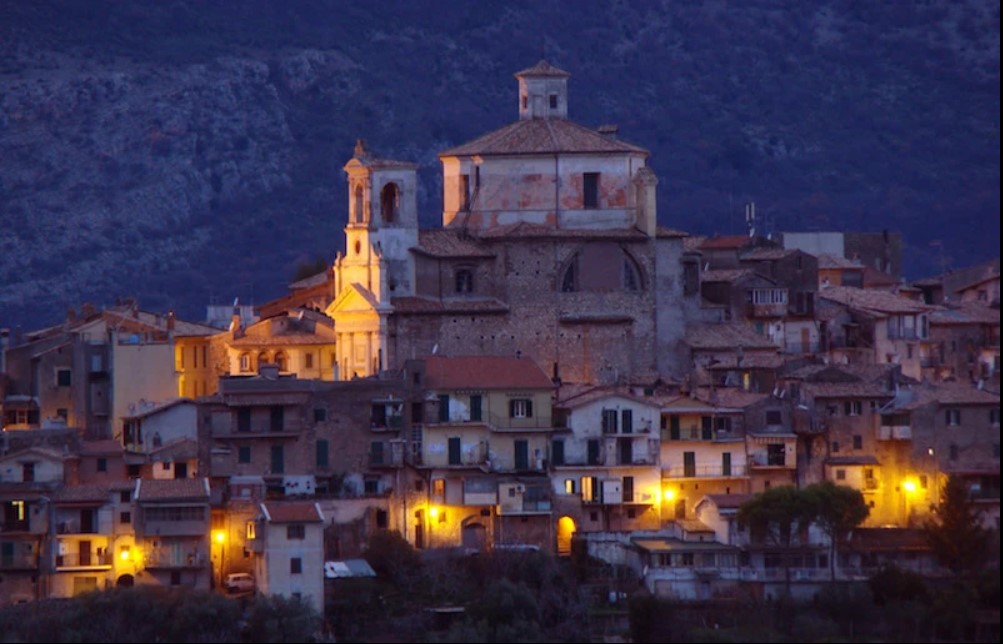
Castel Madama by night – www.prolococastelmadama.it
Castel Madama hosts the Collicelli Public Gardens, a panoramic viewpoint connecting the old town to the more recent part. The 1771 Church of San Michele Arcangelo, the largest in town, features a central Greek cross plan, with radial chapels and an imposing coffered dome. Over the main altar hangs a 1866 painting by M. Hardtmunth, portraying Saint Michael the Archangel, a copy of the renowned work by Guido Reni.
Thanks to its architectural and historical value, the Borgo, with its Orsini Castle, ancient churches, and stone houses, was included in the Network of Historic Homes of Lazio.
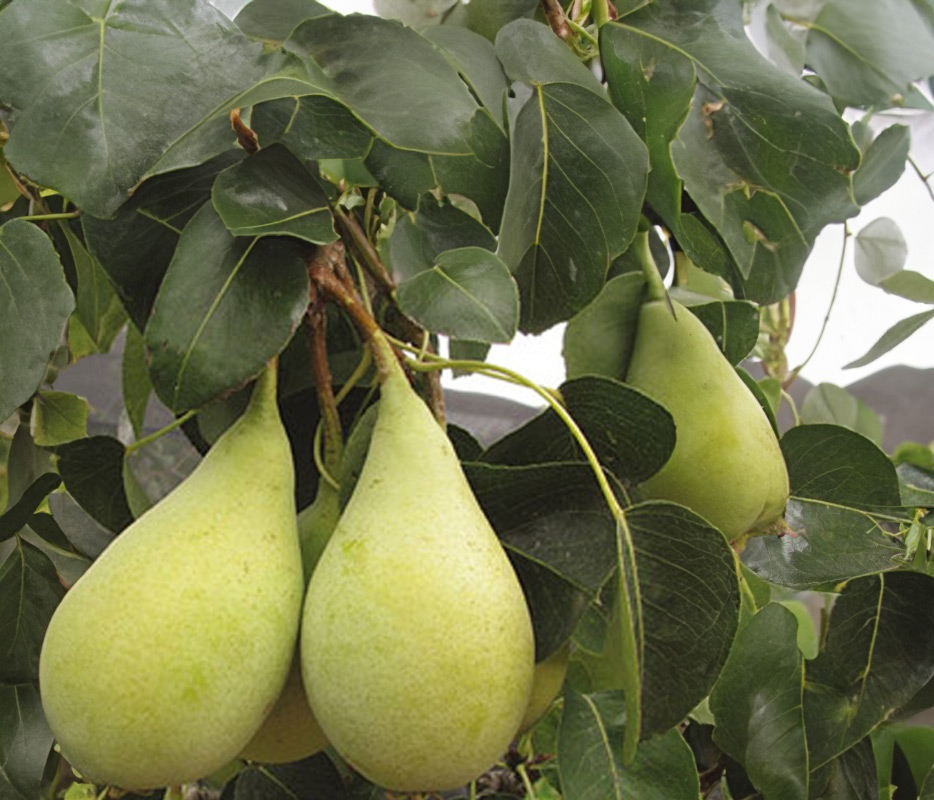
The Spadona Pear
The main cultivated product in Castel Madama is the Spadona Pear, celebrated with a Festival held on the third Sunday of July since 1958. The Spadona Pear has been recognized as a Typical Product of Lazio, so much that a stamp has been issued to commemorate this delicious fruit.
It is said that its cultivation began by chance. In the first half of the 19th century, a local farmer nicknamed “Stualetta” grafted a common pear tree onto one bearing the wild variety of the same fruit, obtaining this tasty hybrid, today a local agricultural excellence. In honour of the farmer, the inhabitants of Castel Madama call the Spadona Pear “stuvaletta” or “stualetta” in local dialect.