
The more than a century old Historical Carnival of Civita Castellana, one of the four most renowned and awaited events of the kind in Lazio, is a true hymn to joy and freedom, originated from the salacious Fescennine chants. The oldest document attesting to the existence of the Carnival is a municipal statute from 1566.
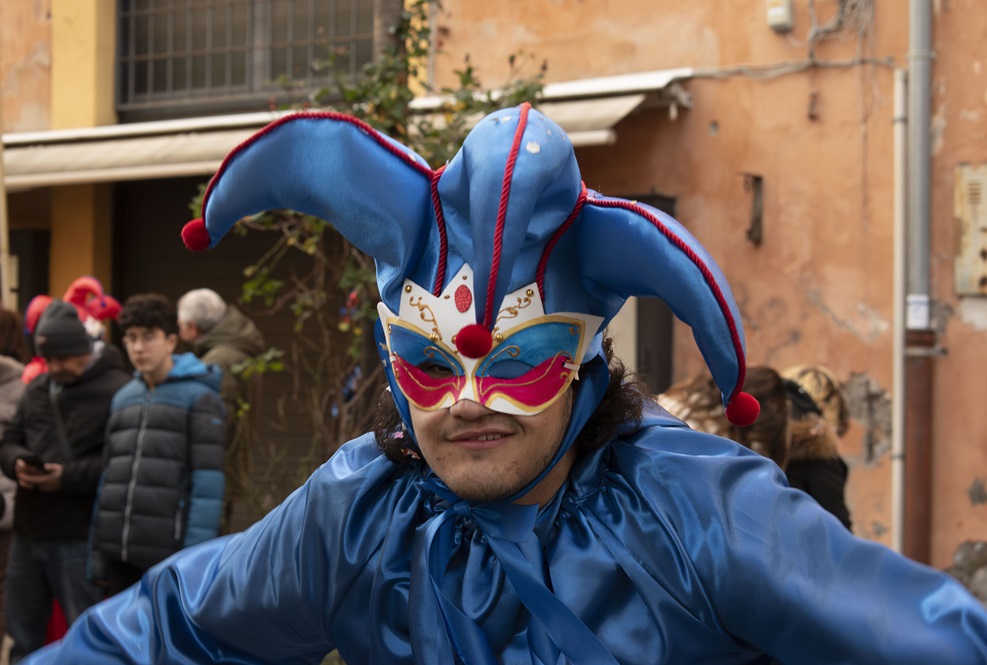
Una maschera del Carnevale storico di Civita Castellana

A mask from the Historical Carnival of Civita Castellana

Although no document exactly certifies the first forms of celebration, jesters and clowns already animated the event during the Middle Ages, drawing all participants into a collective euphoria.
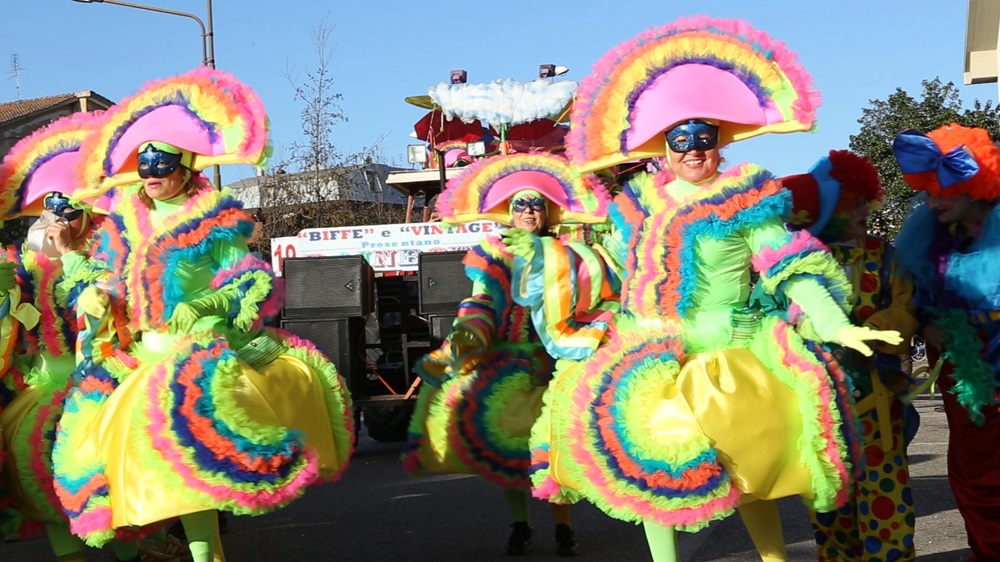
Le sfilate delle maschere a Civita Castellana

A mask from the Historical Carnival of Civita Castellana

Today, young and old spectators still parade dancing through the streets of the village “La città che balla”, following the allegorical floats.
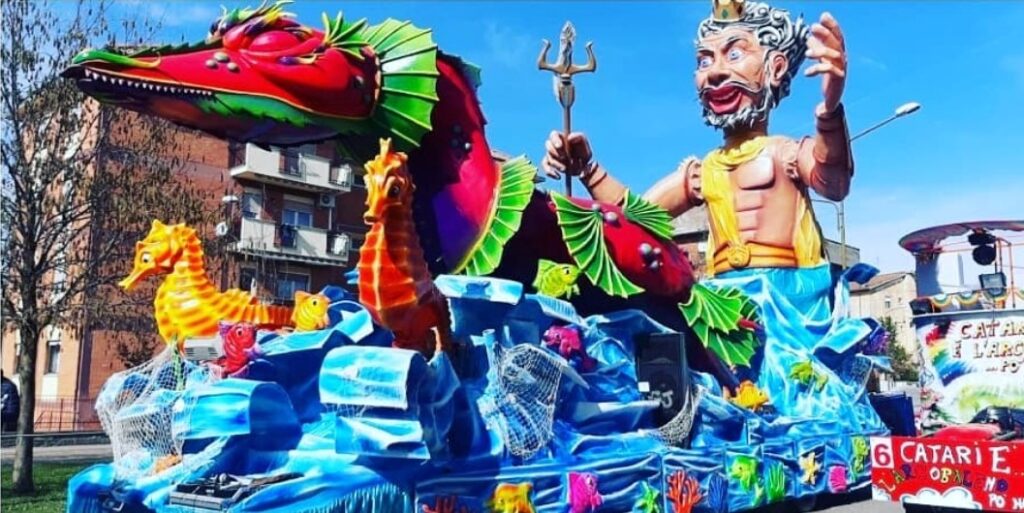
La sfilata dei carri allegorici

The parade of the allegorical floats

The papier-mâché allegorical floats, true works of art created by passionate local craftsmen, have become bigger and more sophisticated over the years.
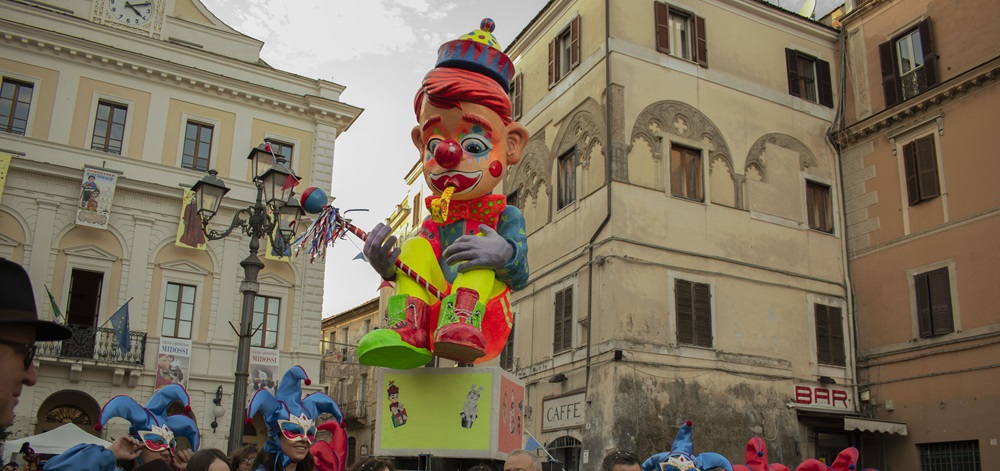
O' Puccio in piazza Matteotti

O’ Puccio in piazza Matteotti

The celebrations start on January 17 with the arrival of O’Puccio in Piazza Matteotti, accompanied by the unusual folk band “La Rustica” in red and blue uniform.
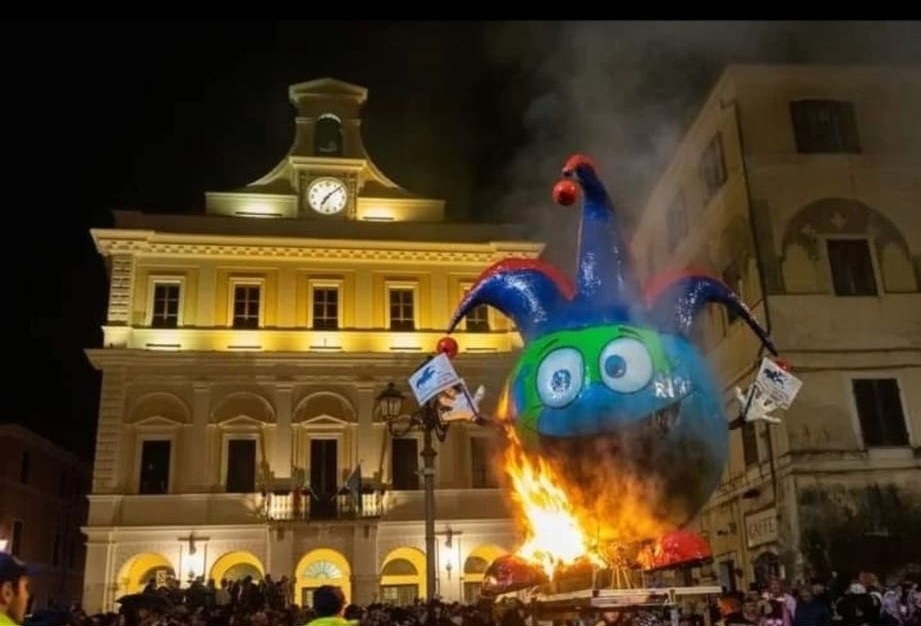
Il rogo in piazza che sancisce la fine dei festeggiamenti

Il rogo in piazza che sancisce la fine dei festeggiamenti

O’Puccio, the protagonist of the Carnival, is a papier-mâché giant publicly burned on Shrove Tuesday night, the last ceremony of the festival.

But the highlight of the event is the allegorical float parade through the streets of the historical centre, a long snake animated by a multitude of playful participants, dancing in colourful dresses.
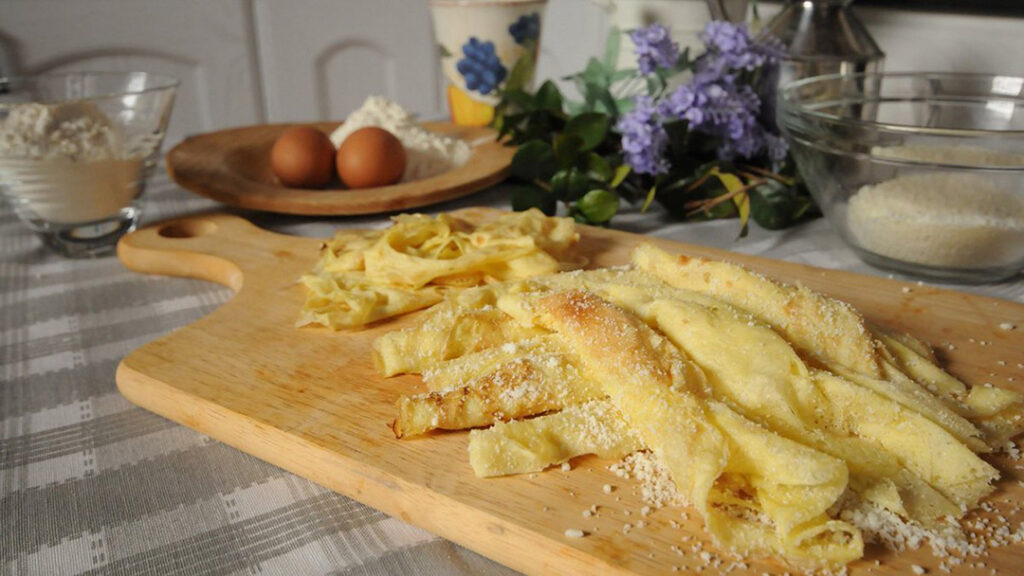
I Frittelloni di Civita Castellana

The Frittelloni of Civita Castellana

The Carnival of Civita Castellana is also celebrated with traditional recipes, such as the Frittelloni, thin fritters sprinkled with pepper and Pecorino cheese. Typical of the Agro Falisco area and the province of Viterbo, they are called with different names according to the villages and may be served hot or cold.


Social share

SCOPRI ANCHE

Leaves changing colour and other reasons to love autumn in Lazio

Si apre il sipario sul Foliage e altri motivi per amare l’Autunno nel Lazio, 5 straordinari “punti di osservazione” del paesaggio color ruggine, rosso e oro.

Like an Etruscan in the Banditaccia Necropolis

Banditaccia is the only place in ancient Etruria where the necropolis remains exactly as an ancient Etruscan would have seen it. For this reason, it is a UNESCO World Heritage site.

The Story of Giorgio De Chirico and Saint Philippa on Lake Salto

The incredible story of Giorgio de Chirico’s works at the Monastery of Santa Filippa Mareri in Borgo San Pietro di Petrella Salto, on Lake Salto.

Enchanting walks in the Gran Sasso e Monti della Laga National Park

The Gran Sasso and Monti della Laga National Park extends into the Lazio region, within the municipalities of Accumoli and Amatrice. The area is rich in hiking trails.

The Three Women who created the Garden of Ninfa

And as with every self-respecting fairy tale, we open the great book on the story of three noblewomen who made the history of the Garden of Ninfa!

The Caribbean of Rome, the oasis of the Aniene river in Lazio

The Caribbean of Rome is a slice of Paradise in Lazio among the Simbruini mountains. Here, in Subiaco, the Aniene gives life to the waterfall in the San Benedetto lake.

Five destinations in ciociaria, where to take amazing shots of multicoloured trees

L’Autunno, tempo di foliage. Tra manti dall’oro al rosso intenso in contrasto con il cielo azzurro, scopriamo 5 mete del foliage in Ciociaria per scatti WOW!

The Machine of Santa Rosa UNESCO Heritage

The Macchina di S.Rosa is the most important celebration in Viterbo, the City of the Popes. It recalls the transport of the body of S.Rosa, patron saint of the city, which took place in 1258.

The ‘Cannata’ Race in Arpino UNESCO Heritage

Cannata Race of Arpino’s Gonaflone has been registered in the UNESCO Intangible Cultural Heritage. Other Games included in Tocatì are also recognised

Waterfalls in Ciociaria and…

Follow us among the most hidden corners of Ciociaria to cool off amidst the splashes of the waterfalls of the Amaseno, Aniene, Liri, Melfa, Rapido and Sacco rivers.