

Canino is famous for its DOP oil and the largest asparagus omelette in Europe. Furthermore, it is the birthplace of one of the greatest and most controversial popes of the Renaissance, Paolo III Farnese, and Prince Charles Lucien Bonaparte, brother of the Emperor Napoleon I, was elected here. The village has been connected to the history of Bonaparte family of 200 years ago.
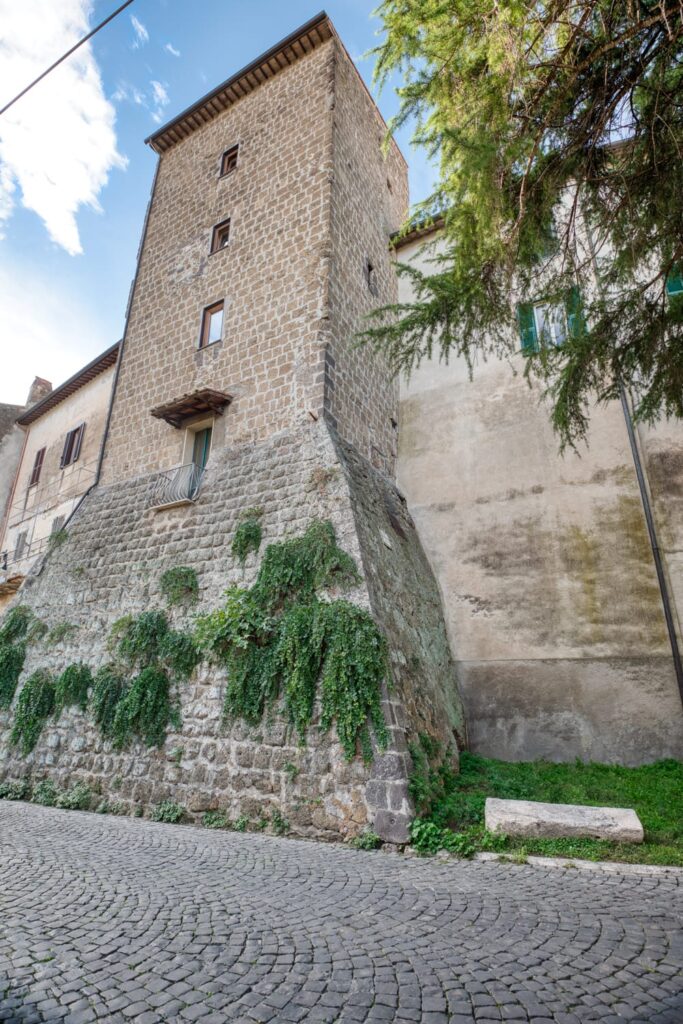
Tower of Pope Paolo III – photo www.comune.canino.vt.it
This village, nestled between the Castro Mountains and the Tyrrhenian Sea, is the cradle of dukes and princes and boasts an important historical past, with traces throughout the territory.
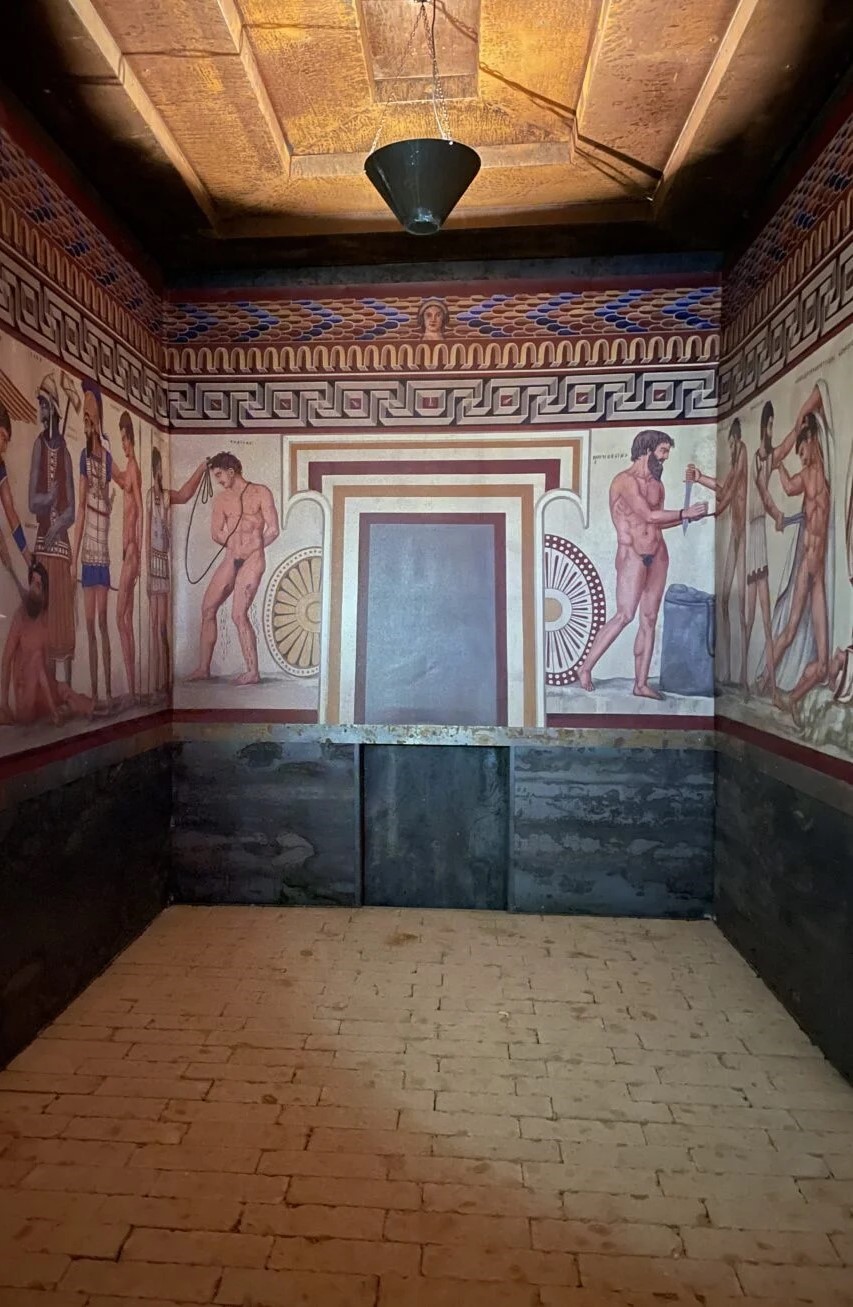
reconstruction of the Francoise Tomb in the Archaeological Museum of Canino
It hosts the Museum of one of the most important archaeological sites in Lazio, the Archaeological Natural Park of Vulci and the Francoise tomb.
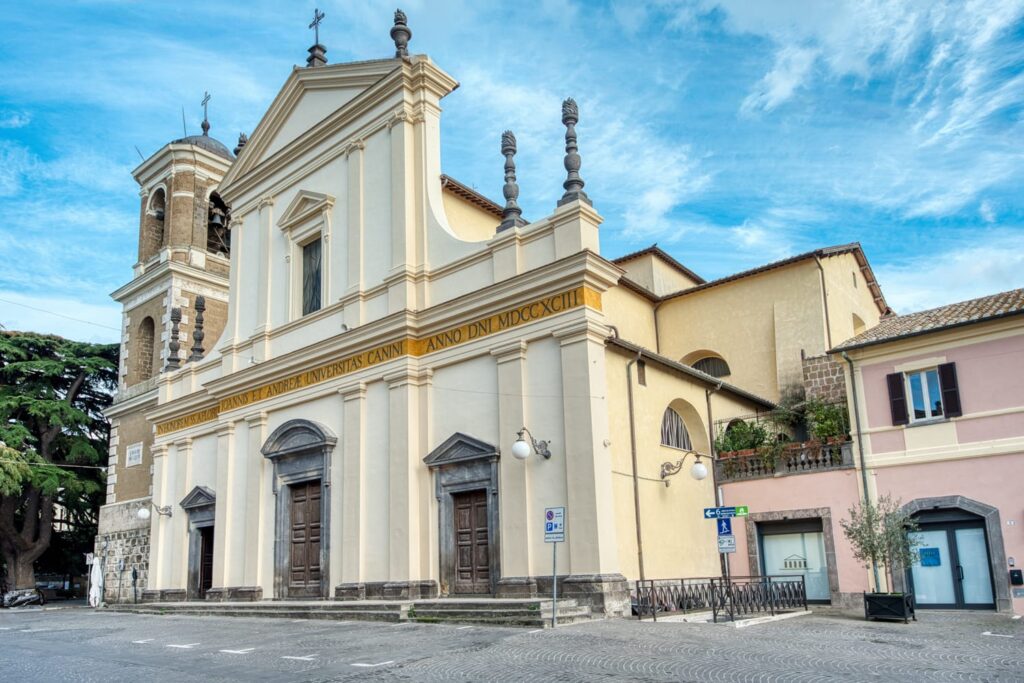
The Collegiate Church of SS Giovanni and Andrea – photo www.comune.canino.vt.it
Canino, the residence of the Farnese family, welcomed within its walls Napoleon Bonaparte’s brother, who lived here and was buried, together with his family, in the Collegiate Church of the Holy Apostles Giovanni and Andrea. The late eighteenth-century church preserves artworks by Domenico Corvi, Monaldo Monaldi and a nativity from the school of The Perugino.
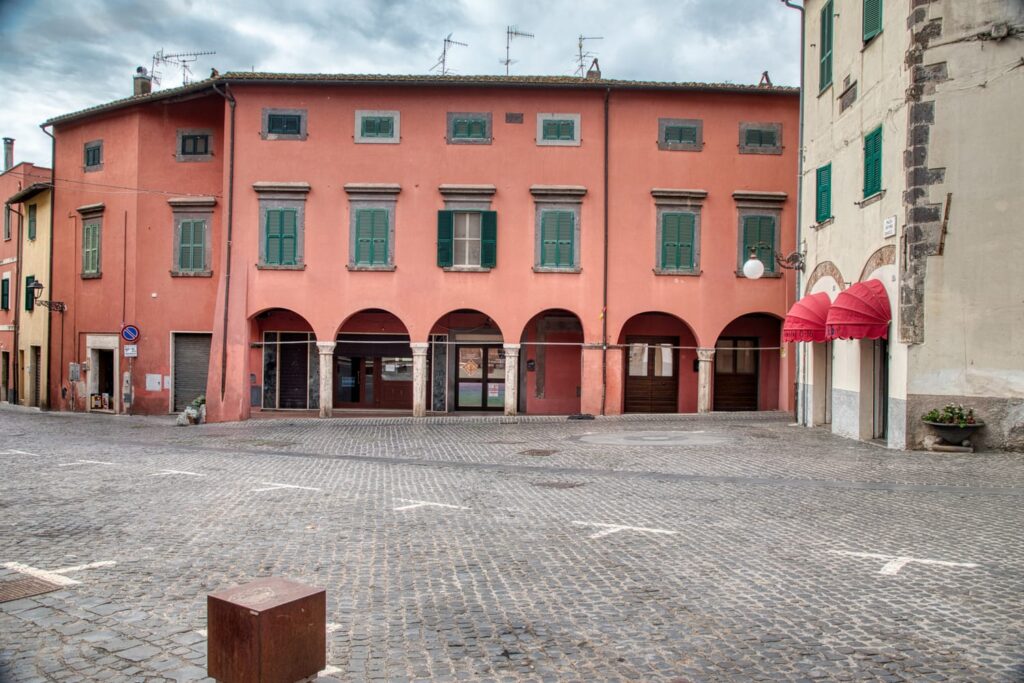
Palazzo Miccinelli – photo www.comune.canino.vt.it
In the historic centre, we can admire a sixteenth-century fountain designed by Vignola, the Church of Santa Maria della Neve, and the Miccinelli and Bonaparte Palaces. On April 23, 1804, Lucien Bonaparte, Napoleon’s brother, arrived in Rome. He had left Paris because of political disagreements with the First Consul, and Napoleon’s hostility towards his second marriage to Alexandrine de Bleschamp. In Canino, the couple led an intense social and intellectual life, but also enjoyed the quietness of the Villa Tuscolana “La Rufinella”.
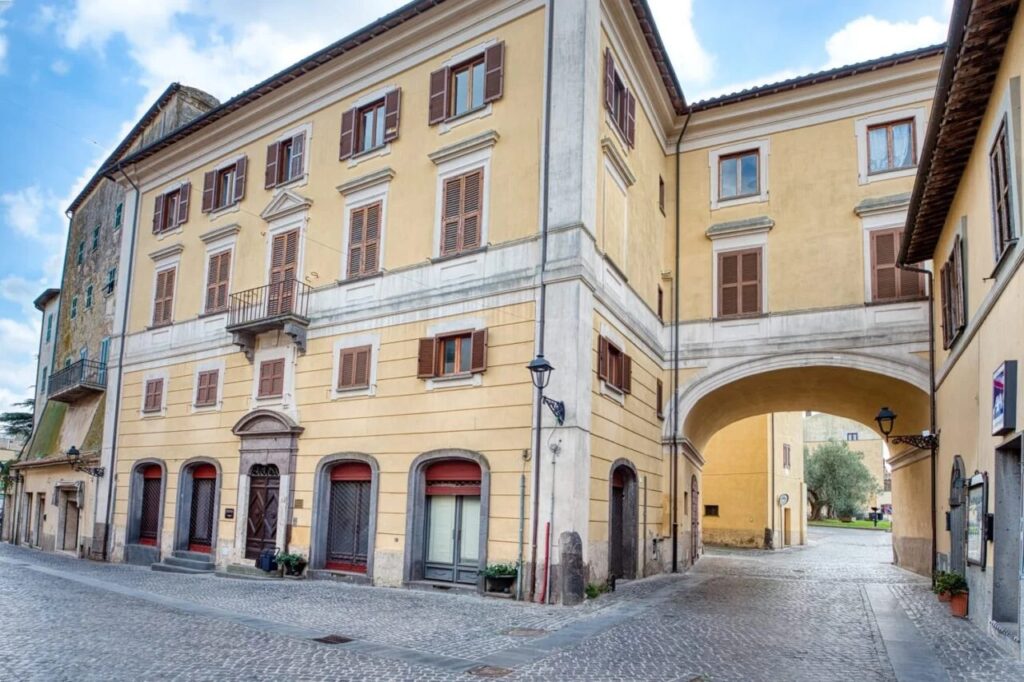
Palazzo Bonaparte – photo www.comune.canino.vt.it
With the French occupation, in February 1808, and the consequent deportation of Pope Pio VII to France, Lucien and his family had to abandon the Eternal City and, after many adventures, they landed on the English coast. They remained in England until 1814 and then, thanks to the generosity of Pio VII, they could return to Italy, choosing, for economic reasons, The “Buen Retiro” in Canino.
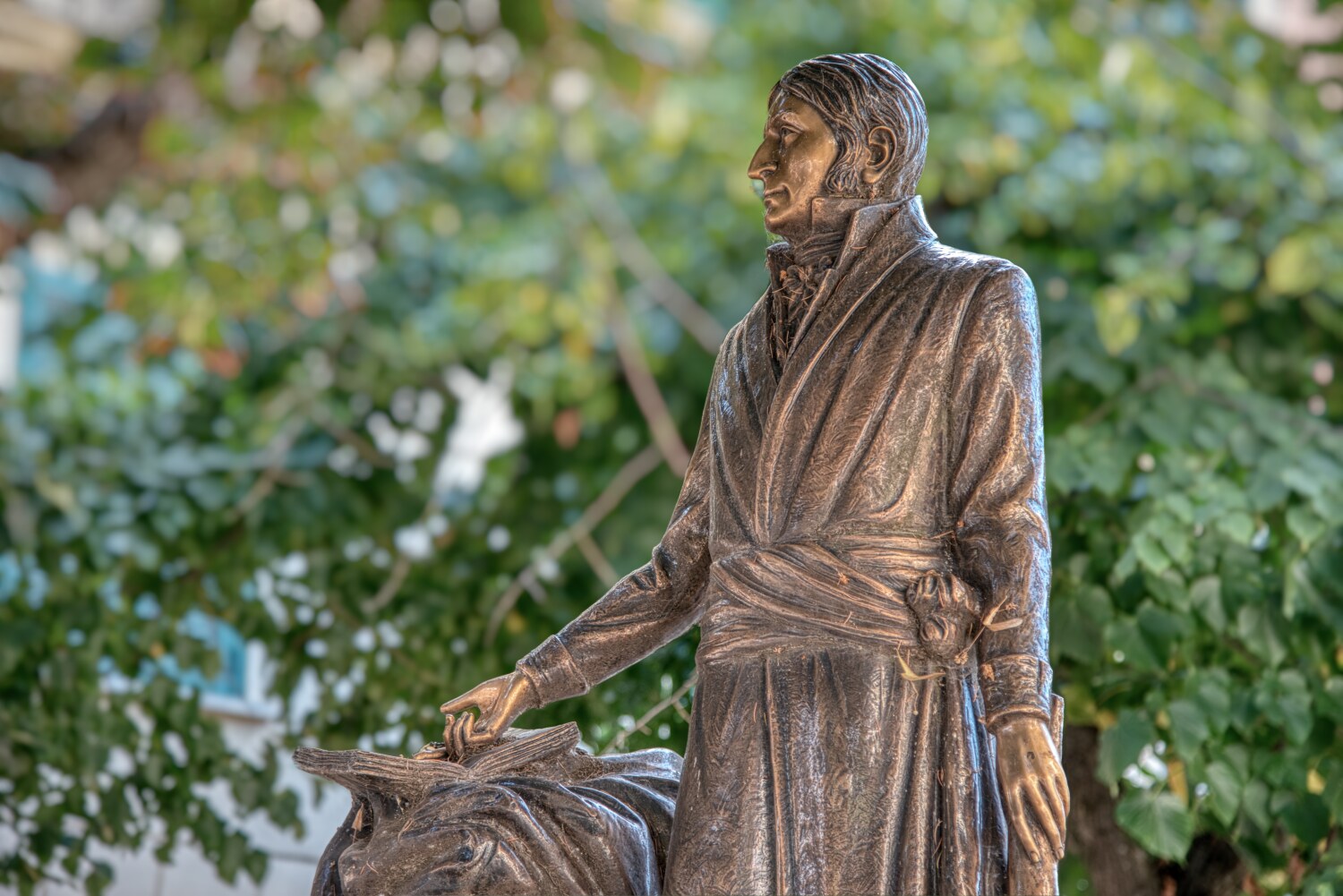
statue of Luciano Bonaparte in Canino – photo www.comune.canino.vt.it
Lucien Bonaparte received the title of Prince of Canino and Musignano in 1814 and lived there with his wife for over twenty years. He was an enlightened and beneficent prince. We remember him for his support to agriculture and local craftsmanship, the land reclamation, and the foundation of a school and a theatre, where he loved to perform. The Castle of Musignano was his favourite; there, he collected splendid Greek and Etruscan objects from the excavations of Vulci, later sold by him. In 1853 the Torlonias purchased the Castle which is still their property.
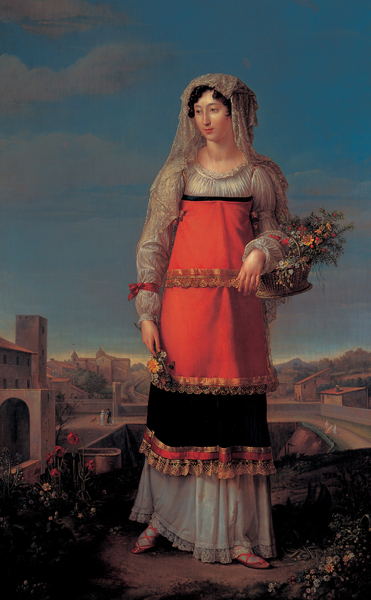
J.B. Wicar, Carlotta Bonaparte Gabrielli in peasant dress – photo www.museonapoleonico.it
It is no coincidence that the Prince’s eldest daughter, Carlotta, preferred the Maremman village to the modern and fashionable city of Paris! The independent, beautiful princess, well known in Canino, wanted a portrait of herself wearing the typical peasant clothes, with a basket of wildflowers and a bouquet, in order to leave an indelible mark of love and affection to the land.
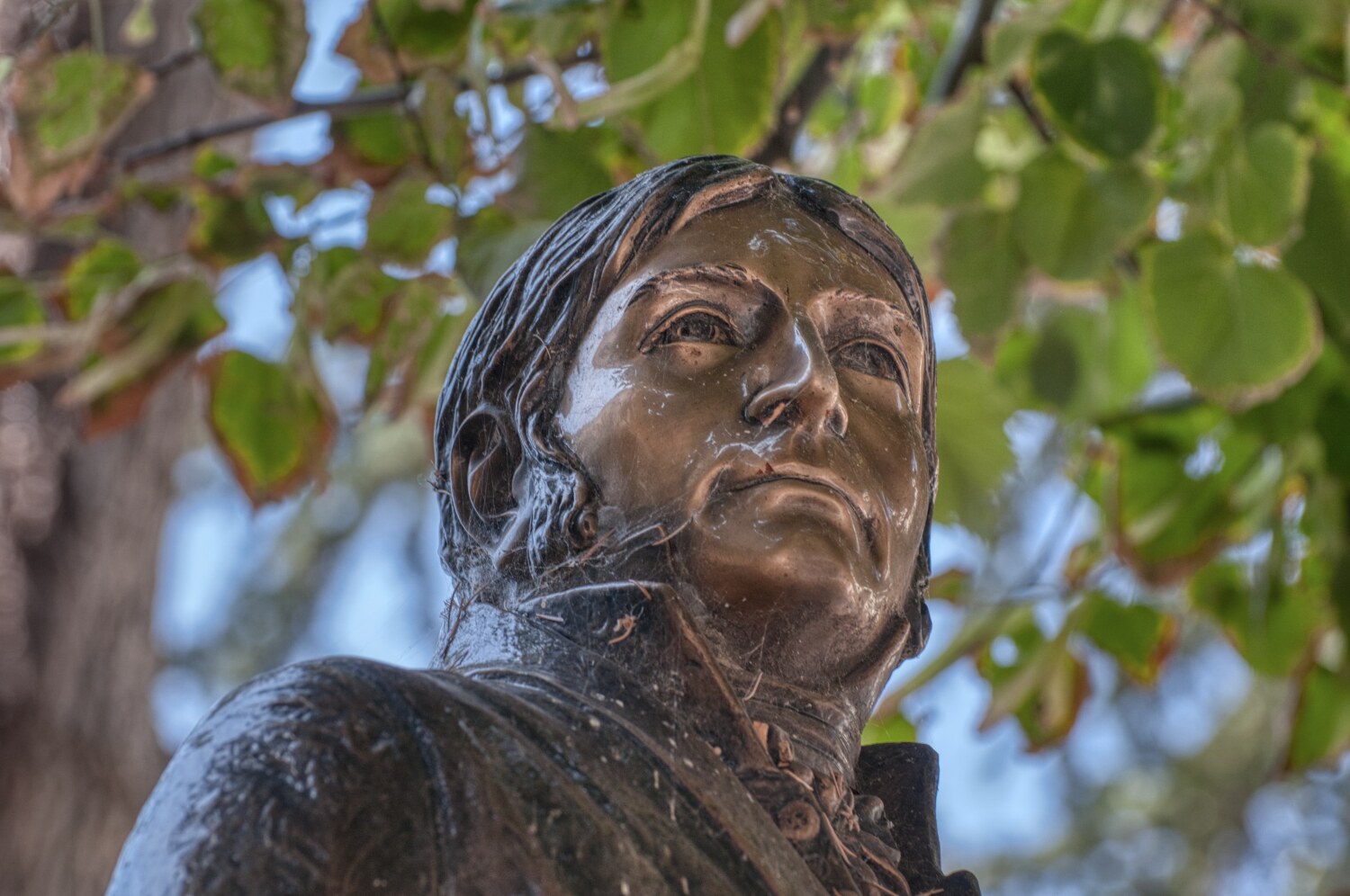
Statue of Luciano Bonaparte in Canino – photo www.comune.canino.vt.it
The fearless, restless Princess Maria Bonaparte on the other hand, secretly escaped from the Castle of Musignano, to marry a local noble landowner. Her father did not approve but in the end “the prodigal son” was welcomed into the Bonaparte family, because, as we all know, “e figlie so’ piezz’ ‘e core!” (children are pieces of our hearts!).